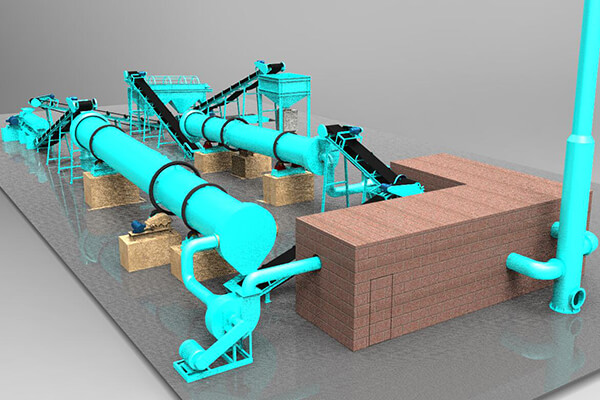
Organic Fertilizer Production Line for Manure and Bio-waste Recycling
We design and manufacture organic fertilizer production lines for converting animal manure and organic waste into stable, market‑ready granular fertilizer. Our systems are engineered for process stability, moisture control, and consistent granule quality, with capacities ranging from 1 to 20 t/h.
This page explains how an organic fertilizer line actually works, what equipment is required, and how to choose the right configuration based on your raw materials.
Organic Fertilizer Production Line Definition
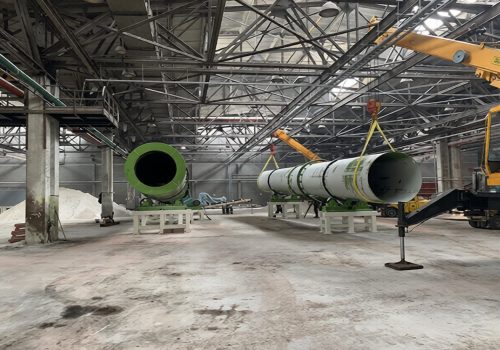
An organic fertilizer production line is a comprehensive manufacturing system that converts organic waste materials into high-quality fertilizer products through fermentation, composting, and processing technologies. These production lines transform various organic raw materials into nutrient-rich fertilizers that can be used for agricultural applications.
This Organic Fertilizer Production Line For
- Daily capacity: 5–30 tons/day
- Raw materials: livestock manure, poultry manure, composted organic waste
- Target product: powdered or granular organic fertilizer
- Investment level: small to medium fertilizer plant
Who Should NOT Choose This Line
- Projects requiring over 50 t/day continuous production
- High moisture raw materials without pre-composting
- Chemical fertilizer only production
- Limited land without space for composting or curing
Typical Production Line Configurations

1–3 t/h Organic Fertilizer Line
Suitable for small farms and startups
Compact layout
Low energy consumption
Manual or semi‑automatic operation
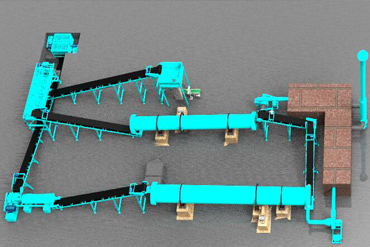
5–10 t/h Organic Fertilizer Line
Commercial organic fertilizer plants
Automatic feeding and packaging
Stable continuous operation
Balanced investment and output
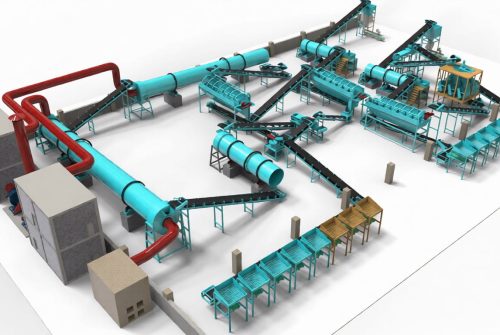
15–20 t/h Organic Fertilizer Line
Industrial‑scale projects
Fully automated system
Rotary drum granulation
Designed for long‑term high throughput
Types of Our Organic Fertilizer Production Lines

Pig Manure Fertilizer Production Line
Improve the quality of pig waste by using an effective production line to make fertilizers that are full of nutrients.

Chicken Manure Fertilizer Production Line
Convert poultry waste into nutrient-rich fertilizer in an efficient and eco-friendly way.

Cow Dung Fertilizer Production Line
Convert cow dung into organic fertilizer using these steps: composting, drying, crushing, mixing, and granulating.

Sheep Manure Fertilizer Production Line
It efficiently turns sheep waste into nutrient-rich fertilizer through composting, drying, and granulating processes.

Corn Stalks Fertilizer Production Line
It turns wasted corn stalks into valuable soil nutrients, helping farmers practice eco-friendly farming.

Biogas Residue Fertilizer Production Line
Turn waste into nutrient-rich fertilizer to help the environment. Increase profits and reduce waste.
Organic Fertilizer Production Line Cost (Estimated Range)
The cost of a small organic fertilizer production line usually depends on:
– daily capacity
– raw material condition
– granulation method
– level of automation
For reference, a 5–10 t/day organic fertilizer production line
typically requires a lower investment than medium-scale plants.
What to Prepare Before Choosing a Production Line
- Raw material type and quantity
- Target daily output
- Available land area
- Power supply condition
- Local environmental requirements
Common Mistakes Before Installing an Organic Fertilizer Production Line
- Ignoring raw material moisture content
- Choosing granulation method too early
- Underestimating composting area
- Designing layout without future expansion
Raw Materials We Commonly Design For
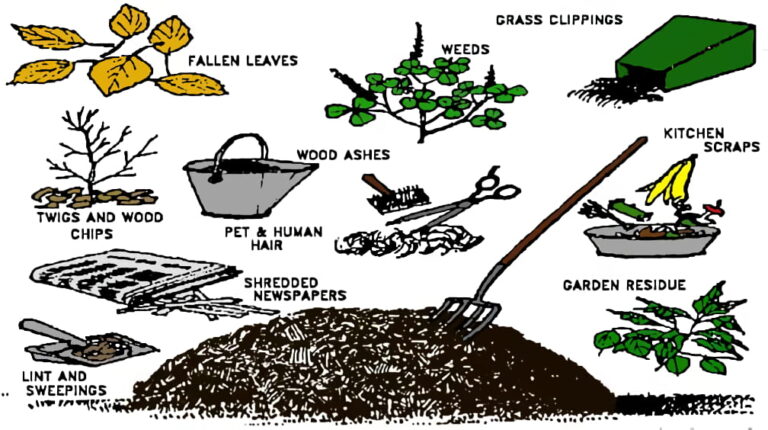
Organic fertilizer performance depends heavily on raw material characteristics. We typically design lines for:
- Cattle manure (typical moisture: 60–70%)
- Poultry manure (chicken, layer, broiler waste)
- Pig manure
- Biogas residue and digestate
- Sludge after proper pretreatment
- Agricultural residues mixed with manure (straw, husk, sawdust)
Each material requires different moisture control and granulation strategies, which is why process design matters more than equipment brand.
Process Flow and Design Considerations
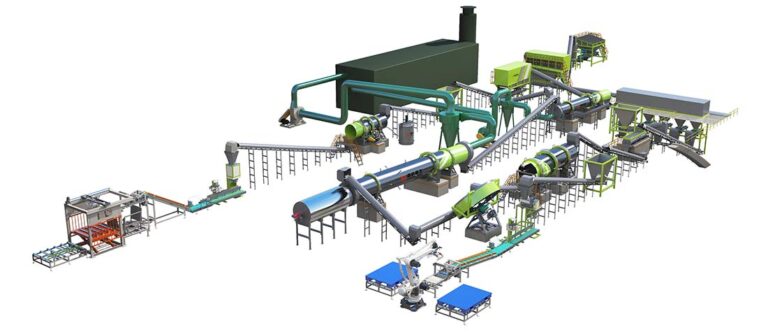
A complete organic fertilizer production line is a system, not a single machine. Below is the standard process we design, with key engineering considerations at each stage.
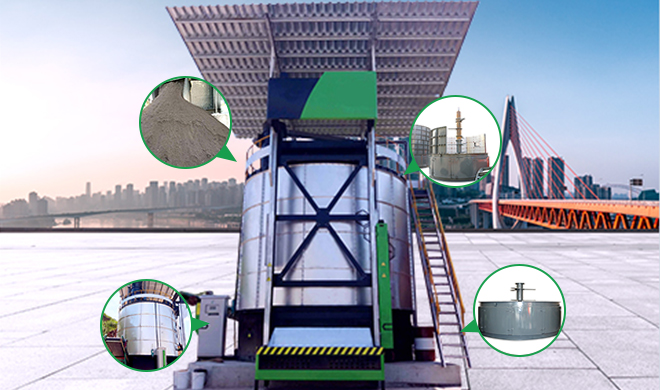
1. Composting and Fermentation
Fresh manure contains pathogens and unstable organic matter. Composting is required to:
- Reduce moisture
- Stabilize organic content
- Eliminate harmful bacteria and weed seeds
We design composting systems based on:
- Initial moisture
- Carbon‑to‑nitrogen ratio
- Required fermentation time
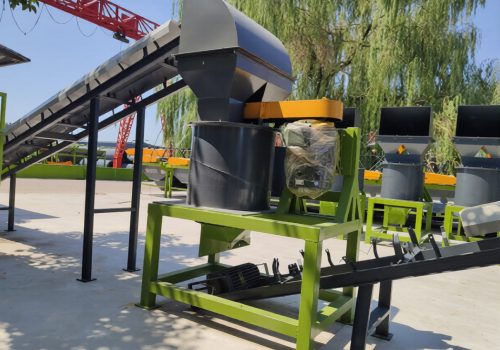
2. Crushing and Screening
Fermented material is crushed into a uniform particle size.
This step is critical because particle size directly affects granule formation and final pellet strength.
Oversized materials are screened and returned for re‑crushing.
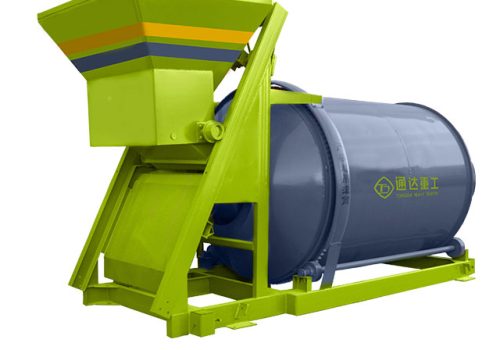
3. Mixing and Formula Adjustment
Crushed material is mixed with:
- Recycled fines
- Functional additives
- Binding materials (if required)
Uniform mixing ensures consistent nutrient distribution and stable granulation.
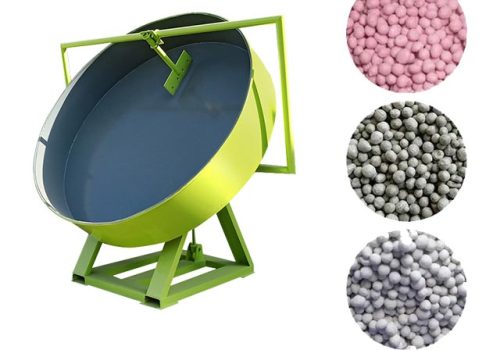
4. Granulation (Core Stage)
Granulation is the most sensitive part of organic fertilizer production.
Material moisture, fiber content, and organic matter all influence granule formation.
We select granulators based on raw material behavior rather than cost alone.
5. Drying and Cooling
Fresh granules usually contain 30–40% moisture.
Drying reduces this to 10–15%, improving storage stability and preventing caking.
Cooling stabilizes granule strength before screening and packaging.
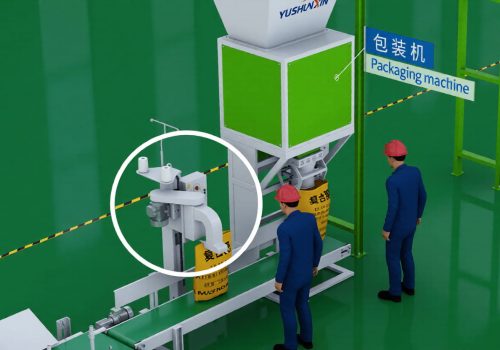
6. Screening and Packaging
Qualified granules are screened and sent to packaging.
Oversized and undersized particles are recycled back into the process.
Granulator Selection for Organic Fertilizer
Choosing the right granulator determines long‑term plant stability.
| Raw Material Characteristics | Recommended Granulator |
|---|---|
| High moisture, high organic content | Stirring tooth granulator |
| Small scale, low investment | Disc (pan) granulator |
| Large capacity, continuous operation | Rotary drum granulator |
We often test material behavior before final equipment selection to avoid pellet breakage and blockage problems after installation.
Common Problems and How We Avoid Them
Many organic fertilizer plants fail due to poor process design. Typical issues include:
- Granules breaking during drying: Caused by incorrect moisture control before granulation.
- Excessive fine powder: Result of improper crushing size or unsuitable granulator selection.
- Blockage inside granulator: Often caused by high fiber content and wrong equipment choice.
- Our designs focus on material behavior, not just equipment matching.
Benefits of Our Organic Fertilizer Production Line

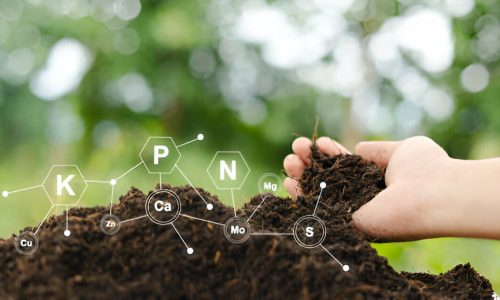
Increase Revenue
Convert waste into a valuable product that can be sold in the growing organic fertilizer market.
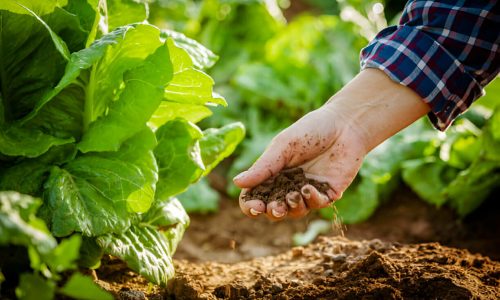
Reduce Costs
Eliminate waste disposal fees and reduce reliance on synthetic fertilizers.
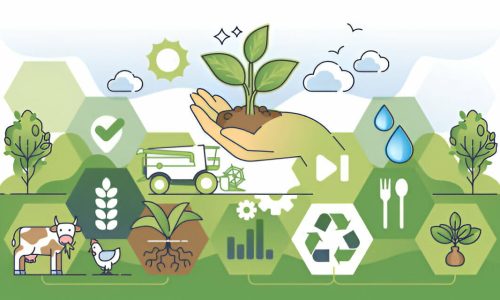
Enhance Soil Health
Our fertilizers improve soil structure, fertility, and microbial activity, leading to better crop yields.
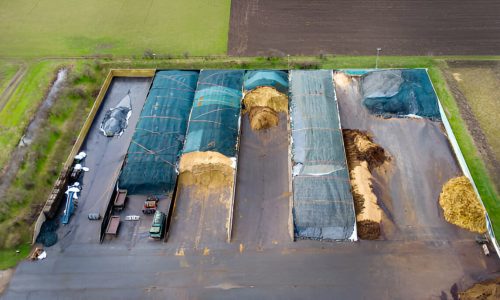
Meet Market Demand
Cater to the increasing demand for organic and sustainable farming practices.
Scalability
From small-scale plants (e.g., 1 t/h) to large industrial setups (up to 50 t/h), our lines can grow with your business.
Why Choose Us as Organic Fertilizer Production Line Manufacturer/ Supplier
Decades of Experience
With over 42 years in the fertilizer industry, we have established ourselves as a trusted partner for clients worldwide.
Global Expertise
Our production lines are installed in numerous countries, with a proven track record of delivering high-quality equipment and exceptional service.
Commitment to Innovation
We continuously invest in research and development to bring you the latest advancements in fertilizer production technology.
Dedicated Support
From initial consultation to ongoing maintenance, our team of engineers and technicians ensures your production line runs smoothly.
Request a Process Design and Equipment List
If you are planning an organic fertilizer plant, we can provide: Preliminary process flow, Equipment list and layout reference, Capacity and energy consumption estimate. Contact our engineering team to discuss your raw materials and production target.