Leading Fertilizer Production Lines Manufacturer
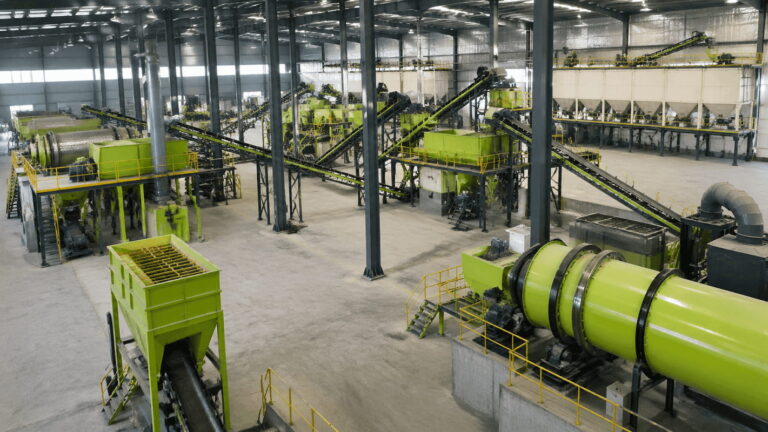
We design and manufacture fertilizer production lines for organic manure and compound fertilizer plants. Our systems are engineered for stable granulation, controlled moisture, and long‑term operation, with capacities from 1 to 20 t/h. Rather than focusing on individual machines, we concentrate on process design, equipment configuration, and plant layout to ensure reliable production results.
About Our Company
We’re a top manufacturer of fertilizer production lines in China, our facilities cover 60,000 square meters. We design and manufacture fertilizer production lines for organic manure and compound fertilizer plants, with capacities from 1 to 20 t/h.
Our work focuses on process design, equipment configuration, and stable
granulation performance rather than simple equipment sales.
Our Fertilizer Production Solutions
Fertilizer Production Line
A fertilizer production line is an integrated system of machinery and processes that converts raw materials into finished, usable fertilizer products. It is essentially an industrial setup designed for the efficient and large-scale manufacturing of different types of fertilizers for use in agriculture.
Fertilizer Granulator Machine
A fertilizer granulator is a machine that turns powdered or bulk fertilizer materials into small, dense, and uniform granules or pellets.
Fertilizer Mixer Machine
A Fertilizer Mixer Machine, also known as a Blender. Its primary function is to combine different raw fertilizer materials—whether they are powders, granules, or liquids—into a single, homogeneous mixture according to a precise chemical formula.
How We Design a Fertilizer Production Line
Our engineering process follows a structured approach:
- Raw material analysis (moisture, particle size, organic content)
- Process selection (powder or granulation)
- Equipment configuration and capacity matching
- Plant layout and energy consumption control
- Installation guidance and commissioning support
This method ensures the system performs reliably after startup.
Our Initiatives
We are committed to supporting communities through initiatives that promote sustainable farming practices and education.
Community Support
Providing resources and training for local farmers to improve agricultural practices and increase their productivity sustainably.
Education Programs
Offering workshops and seminars to educate farmers on the benefits of organic and compound fertilizers for better crop management.
Research and Development
Investing in R&D to innovate new fertilizer technologies that support environmental sustainability and enhance food security.
Join Our Mission Today
Be a part of the change in sustainable agriculture with our groundbreaking fertilizer production solutions.
Production Experience
Transformative Success Stories
Read how our solutions have positively impacted the lives of farmers and their communities.

Growth Journey
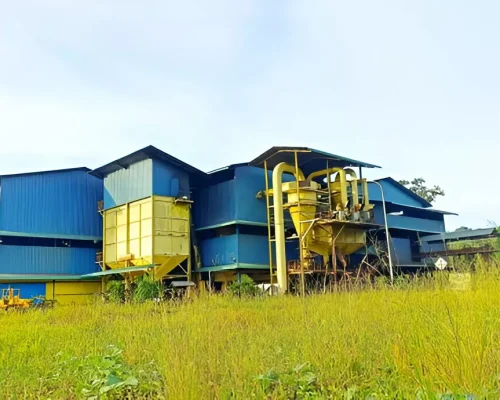
A local farmer struggled with low yield due to poor soil health. After implementing our organic fertilizer solutions, their crop yield increased by 50%, transforming their livelihood.
Sustainable Practices
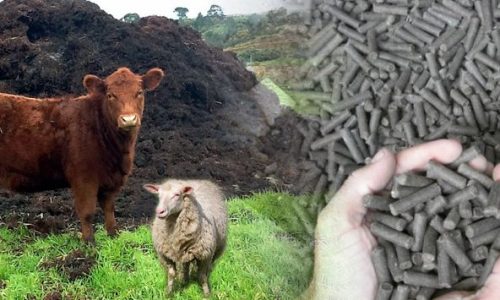
Faced with environmental challenges, a farming cooperative adopted our NPK production line. This led to healthier soil and increased productivity, ensuring sustainability for future generations.
Industry Applications of Fertilizer Production Lines

Animal Manure Management
Fertilizer production lines transform livestock waste from cattle, poultry, swine, and equine operations into valuable organic fertilizers.

Chemical Granules Manufacturing
These production lines create customized NPK fertilizers by combining nitrogen, phosphorus, and potassium in precise ratios.
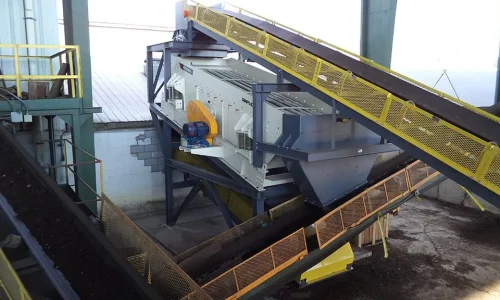
Mineral Processing Industry
Fertilizer technology extends to mineral processing, converting phosphate rock, bentonite clay, limestone, and zeolite into granular products.
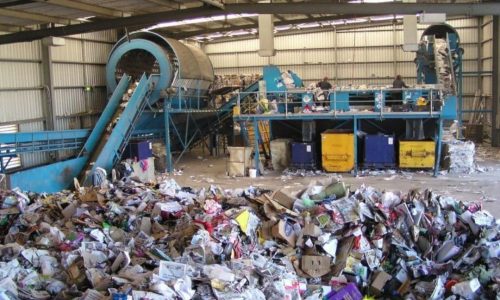
Industrial Waste Recycling
Production lines repurpose industrial byproducts such as biogas residue, sludge, and food processing waste into nutrient-rich fertilizers.
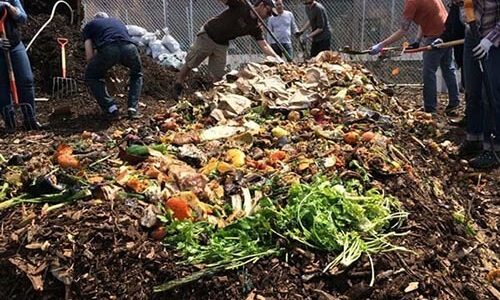
Agricultural Waste Disposal
These systems convert agricultural byproducts that might otherwise be burned or discarded into valuable soil amendments and organic fertilizers.

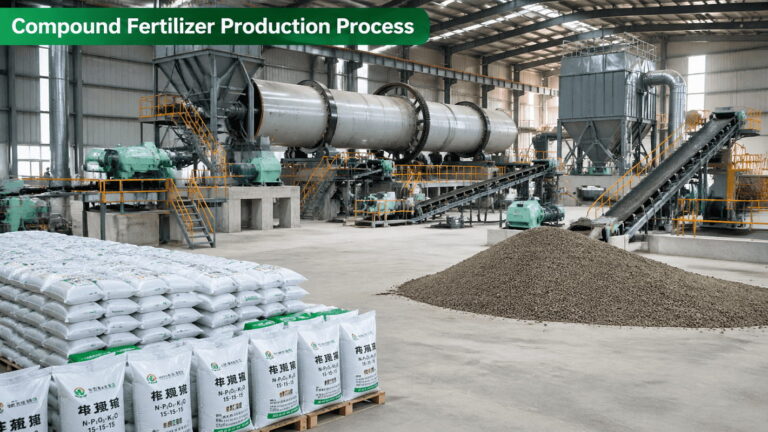
Specialty Product Manufacturing
Beyond traditional fertilizers, these production lines create specialized products including snow melting agents, fragrant beads, cat litter, and seedling substrates.
Why Choose Us as Fertilizer Production Line Supplier
Expertise
Our team of skilled engineers and technicians brings decades of experience in fertilizer production technology, ensuring reliable and efficient solutions.
Customization
We design production lines to meet your specific requirements, optimizing performance and cost-effectiveness.
Quality
We use premium materials and components, adhering to international quality standards.
Global Reach
We have successfully delivered solutions to clients across the globe, building trust and long-term partnerships.
Talk to Our Engineering Team
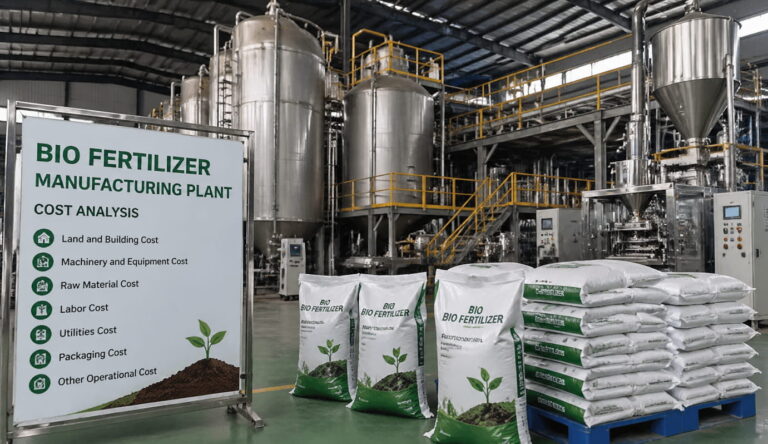
If you are planning a fertilizer production project, we can help you: Evaluate raw materials and capacity requirements, Select a suitable process and equipment configuration and Estimate investment and operating costs. Contact us to receive a preliminary process design and equipment list.
Frequently Asked Questions
- Small-scale powder organic fertilizer plants (1–5 t/h): $20,000–$100,000.
- Small-scale granular organic fertilizer plants (1–5 t/h): $100,000–$150,000.
| Type | Capacity (t/h) | Approximate Cost (USD) | Typical Annual Output (tons) | Key Notes |
|---|---|---|---|---|
| Powder | 1–5 | $20,000–$45,000 | 5,000–20,000 | Basic setup; ideal for startups. |
| Powder | 5–10 | $40,000–$60,000 | 20,000–40,000 | Common for medium operations; e.g., $60,000 for 10 t/h. |
| Powder | 10–20 | $60,000–$90,000 | 40,000–80,000 | Higher automation options. |
| Granular | 1–5 | $100,000–$150,000 | 5,000–20,000 | Entry-level pellet production. |
| Granular | 5–10 | $150,000–$350,000 | 20,000–40,000 | Popular for commercial scale. |
| Granular | 10–20 | $350,000–$550,000 | 40,000–100,000+ | Large-scale; e.g., $500,000 for 15–20 t/h rotary drum system. |
| Type | Scale (Capacity) | Approximate Cost (USD, Equipment + Basic Setup) | Notes |
|---|---|---|---|
| Organic Powder | Small (1–5 t/h) | $30,000–$100,000 | Simple process (composting, crushing, screening, packing). Ideal for manure-based startups. |
| Organic Granular | Small (1–5 t/h) | $100,000–$150,000 | Adds granulation, drying, cooling. Higher product value. |
| Organic Granular | Medium (5–20 t/h) | $150,000–$550,000 | Turnkey lines for commercial scale. |
| NPK Bulk Blending (BB) | Small (1–10 t/h) | $10,000–$50,000 | Simplest: batching, mixing, packing. No granulation needed. |
| NPK Granulation | Small (1–5 t/h) | $50,000–$150,000 | Dry or wet granulation for pellets. |
| Liquid Fertilizer | Small–Medium | $50,000–$200,000 | Mixing and dissolution equipment. |
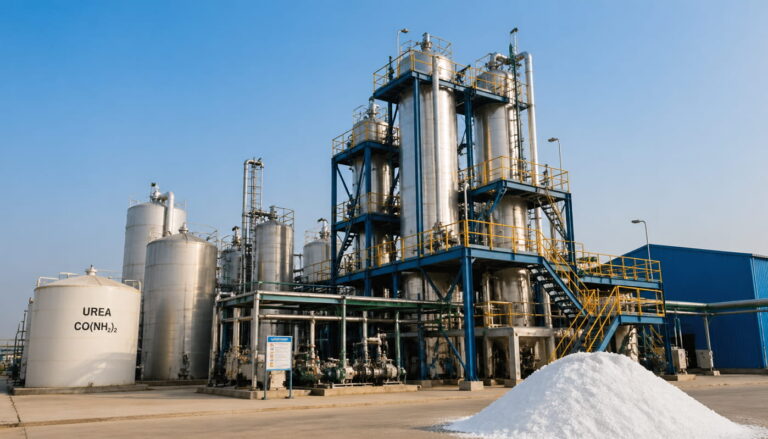
| Large Chemical (Urea/Ammonia) | Industrial | $300–500 million+ | Full synthesis plants; not feasible for small operations. |
Powder organic fertilizer plants (simpler process: fermentation, crushing, screening, packaging):
- Small-scale (1–5 t/h): $20,000–$100,000.
- Medium-scale (5–20 t/h): $40,000–$100,000.
Granular organic fertilizer plants (more complex: adds granulation, drying, cooling, coating for pellets):
- Small-scale (1–5 t/h): $100,000–$150,000.
- Medium-scale (5–10 t/h): $150,000–$350,000.
- Large-scale (10–20 t/h): $350,000–$550,000.
1. Compost Turner (Fermentation Stage)
Turns and aerates windrows or grooves to accelerate composting and kill pathogens.
2. Fertilizer Crusher
Crushes fermented materials into fine powder.
3. Horizontal Mixer
Evenly mixes crushed materials (and additives if needed) before granulation.
4. Fertilizer Granulator (Core for Granular Production)
- Disc/Pan Granulator: Simple, cost-effective for small-medium scale.
- Rotary Drum Granulator: High-capacity for large-scale tumbling granulation.
5. Rotary Drum Dryer
Reduces moisture in granules (from ~30-40% to 10-15%) using hot air.
6. Rotary Cooler
Cools hot dried pellets to prevent caking and improve strength.
7. Rotary Screening Machine
Separates qualified granules from undersized/oversized for re-processing.
8. Automatic Packing Machine
Weighs, bags, and seals finished fertilizer (typically 25-50 kg bags).
In fertilizer production, particularly for organic fertilizers, “old” or traditional granulators primarily refer to disc (pan) granulators and rotary drum granulators. The “new type” usually refers to the stirring tooth granulator (also called the new organic fertilizer granulator or wet stirring tooth granulator), a more recent design that’s better for organic materials.