
Hey there! Ever wondered what goes into building a top-notch fertilizer plant? Whether you’re a farmer eyeing your own setup or an engineer diving into industrial projects, fertilizer plant design is the backbone of turning raw materials into crop-boosting gold.
In this guide, as a professional fertilizer production line manufacturer, I’ll break fertilizer plant designing down step-by-step – from core processes to safety must-haves. We’ll cover everything you need to know to get started right.
But here’s the deal: Designing a fertilizer plant isn’t just about slapping together machines. It’s a mix of chemistry, engineering, and smart planning to ensure efficiency, safety, and eco-friendliness. I’ve dug through industry reports and real-world examples to make this actionable. Sound good? Let’s jump in.
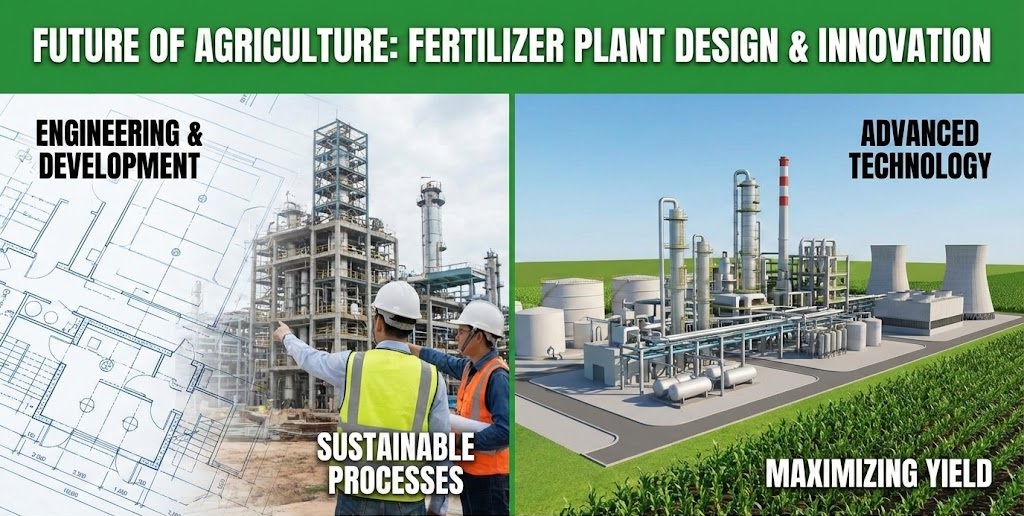
Why Fertilizer Plant Design Matters in 2025
Picture this: Global food demand is skyrocketing, and with it, the need for better fertilizers. According to FAO projections, we’ll need to feed over 9 billion people by 2050. That means fertilizer production has to ramp up – efficiently.
A solid fertilizer plant design helps you produce nitrogen, phosphorus, or NPK blends without wasting resources. Poor design? You’ll face downtime, high costs, and even environmental fines. In my experience, nailing the layout early saves headaches later.
Pro Tip: Start with your end goal. Are you focusing on organic fertilizers from manure or chemical ones like urea? That choice shapes everything.
Key Components of Fertilizer Plant Design
Let’s break this down into bite-sized pieces. Fertilizer plants vary by type – think organic vs. NPK compound – but the basics overlap.
Core Production Processes
Most plants revolve around ammonia and urea synthesis. Why? Ammonia is the building block for nitrogen fertilizers.
Take the Haber-Bosch process: It mixes natural gas and air to create ammonia. Key steps? Reforming methane, shift conversion, purification, and the synthesis loop at 400-500°C.
Then there’s urea production: React ammonia with CO2 to form urea granules. Finishing? Prilling or granulation in drums.
In a real example, large-scale plants hit 100+ tons per hour. Smaller organic setups? They use fermentation pits and simple granulators for 1-5 tons hourly.
Physical Plant Layout
A smart layout means straight-line material flow – less energy, fewer bottlenecks.
Break it into sections:
- Synthesis Island: Reactors, compressors, reformers for chemical conversions.
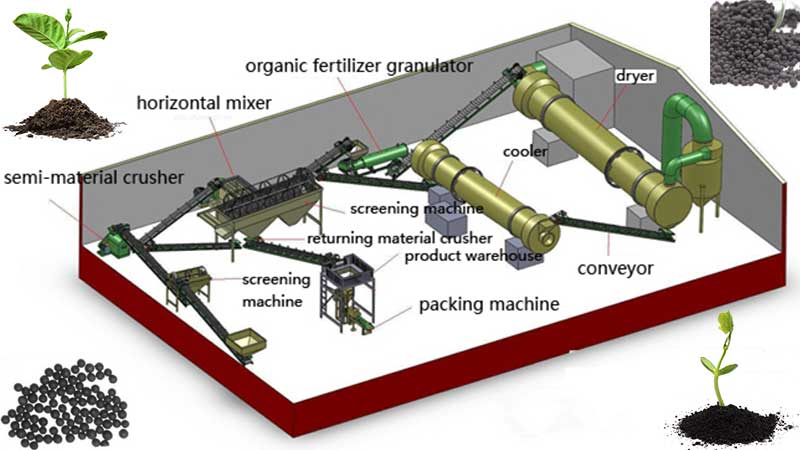
- Finishing Area: Granulators, dryers, coolers to make solid products.
- Material Handling: Conveyors, elevators, hoppers for moving stuff around.
- Storage & Shipping: Warehouses and bagging lines to keep products dry.
- Utilities: Boilers, cooling towers, water treatment for heat and cooling.
I’ve seen layouts where poor flow doubled logistics costs. Aim for efficiency.
Safety and Containment Features
Fertilizer plants handle flammable gases and toxics like ammonia. Safety isn’t optional.
Must-haves: Concrete dikes around tanks for spills, explosion venting in dusty areas, and automated Emergency Shutdown Systems (ESD).
One case study? The 2013 West Fertilizer Company explosion highlighted the need for PSM (Process Safety Management). Don’t skimp here.
Environmental Controls
Dust and emissions are big issues. Use wet scrubbers or cyclones in granulation. For ammonia vapors? Recovery systems to meet air standards.
In 2025, regulations are tighter. Plants in China, like those in Yunnan, integrate phosphate rock processing with eco-friendly tech to cut waste.
Pro Tip: Go for bag dust collectors over cyclones – better efficiency, lower maintenance.
Types of Fertilizer Plants to Consider
Not all plants are the same. Pick based on your market.
Organic Fertilizer Plants
These use manure, compost, or plant residues. Process? Composting, fermentation, drying, then mixing with NPK like MAP or DAP.
Why popular? Eco-friendly and sustainable. Inorganic releases fast; organic slow. Combo them for best results.
A 10,000-ton setup might need 3,000 sqm, including fermentation areas.
NPK Compound Fertilizer Plants
Balanced N, P, K mixes. Machinery? Granulators, dryers, sieves, coaters.
In SEEC examples, lines include batching, mixing, granulating. Cost for 50,000 tons/year? Around $1.05 million.
Phosphate Fertilizer Plants
Focus on phosphorus from phosphate rock. Crush, acidify with sulfuric acid, granulate.
Yunnan factories thrive due to local resources. Sell as SSP or TSP, or blend into NPK.
High-Tower Nitrogen Plants
Urea-based for high nitrogen. Melt urea, mix with phosphates/potash, spray from towers to form granules.
Efficient for crop growth, but needs precise control.
How to Choose a Location for Your Plant
Location can make or break you.
- Transportation: Near highways or rails for raw materials like TSP, DAP, urea.
- Resources: Close to phosphate mines (e.g., Yunnan) cuts costs.
- Utilities: Stable water/electricity. Dry seasons in some areas halt production.
- Site Size: For 200,000 tons/year, need 2,100 sqm for equipment, plus warehouses (2,500 sqm each).
- Away from Residents: Noise from fans or odors from organics? Keep distance.
In my view, estimate storage based on price cycles – stock up when cheap.
Cost Breakdown for Setting Up a Plant
Budgeting is key. Main costs: Machines, raw materials, labor, land.
Raw Material Costs
Urea: $506/ton (Nutrien).
DAP: $760/ton (Mosaic).
Potash (KCL): $506/ton.
Organics? Low, but add transport.
Labor Expenses
In the US (2023-2024 data), plant operators earn $25-32/hour ($52k-66k/year). Factor in engineers, techs.
Machinery Costs
For NPK lines:
- 50,000 tons/year: $1.05M
- 200,000 tons/year: $3.95M
Includes granulators, dryers, mixers.
Factors affecting price: Process config (e.g., one vs. two dryers), materials (stainless vs. carbon steel), brands like ABB motors.
Conveyors? Bucket elevators save space; scrapers cut dust.
Dedusting? Bags beat cyclones for emissions.
Fertilizer Plant Design: Step-by-Step Guide
Ready to build? Here’s a roadmap.
- Market Research: Analyze demand, competitors, raw prices. Unmet needs? Go there.
- Choose Type and Scale: Small organic or large NPK? Match to resources.
- Site Selection: Use the tips above. Get permits early.
- Design Layout: Master plan with zones for production, storage, wastewater.
- Equipment Selection: Tanks (stainless for corrosion), reactors, pipelines.
- Incorporate Tech: DCS for real-time monitoring. Automation keeps NPK ratios consistent.
- Feasibility Study: Factor transport costs – liquids are pricier to ship.
- Build and Test: Hire experts for installation. Run trials.
One European plant I studied cut nutrient loss with coated fertilizers and GPS monitoring.
Emerging Trends in Fertilizer Plant Design
In 2025, sustainability rules.
- Liquid Fertilizers: Precise via irrigation, less waste.
- Bio-Organic Lines: Use waste like manure/sludge. Annual output? 30k-250k tons.
- Automation Advances: AI for fermentation, reducing labor.
- EPC Contracts: Full financing and build from pros like SI.
Data shows EU production tops 17M tons/year, with nitrogen at 12M.
Common Pitfalls to Avoid
But here’s the thing: Rushing design leads to issues.
- Overlooking safety: No ESD? Disaster waiting.
- Ignoring scale: Small plants skip big granulators.
- Poor dust control: Fines or health risks.
- Forgetting updates: Keep designs fresh for regs.
In one case, a plant skipped bag collectors – civil costs soared.
The bottom line? Solid fertilizer plant design blends tech, safety, and smarts for long-term wins.
There you have it – a complete dive into fertilizer plant design. Whether scaling up or starting small, focus on efficiency and compliance. Questions? Drop them below. Now go crush that fertilizer plant design!


 English
  Spanish
  French
  Russian
  German
  Italian