
Ever felt like your garden’s stuck in a rut? You water it, pamper it, but your plants still look… meh. Sound familiar?
Here’s the deal: Most gardeners reach for synthetic fertilizers first. They promise quick results. But what if I told you there’s a smarter, healthier, and more sustainable way? Let me explain…
What are the advantages of organic fertilizer? In short, it transforms tired soil into a thriving ecosystem. Think stronger plants, safer food, and a happier planet—without the chemical hangover.
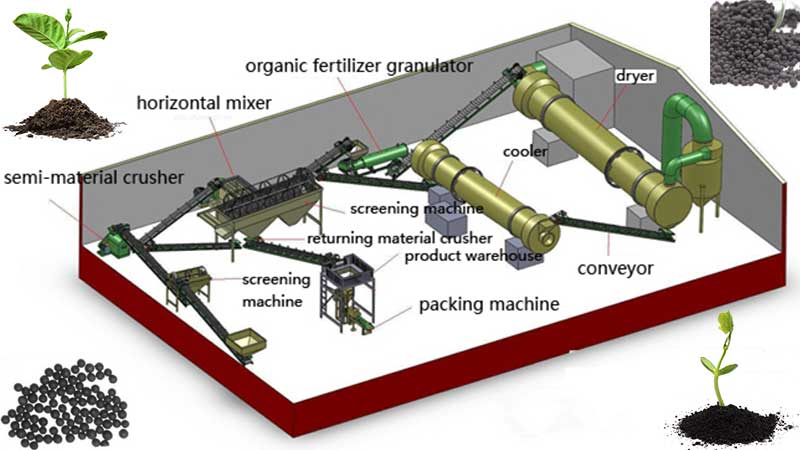
In this post, as a professional organic fertilizer production line manufacturer, I will share the advantages of organic fertilizer.
But don’t just take my word for it. By the end of this guide, you’ll see exactly why switching to organic isn’t just trendy—it’s a game-changer for your garden (and the environment).

Why Your Soil Is Begging for Organic Help
Picture this: You’ve used synthetic fertilizers for years. Your plants seem okay. But deep down, your soil’s exhausted. It’s like feeding your kids candy instead of real food. Sure, they get energy—but they crash hard.
The problem? Synthetic fertilizers give plants a quick high. But they ignore the soil’s long-term needs. No microbes. No structure. Just empty calories.
The solution? Organic fertilizer works with nature. It’s not a band-aid. It’s a long-term health plan for your garden.
Let’s break it down…
What Are the Advantages of Organic Fertilizer
Soil Health & Structure: Where the Magic Happens
Turning Dirt into Living Soil
Ever notice how rich, dark soil feels alive? That’s organic matter at work. Here’s how organic fertilizers make it happen:
1. Better Soil Structure Organic fertilizers add humus—nature’s sponge. This stuff holds water like a pro. In fact, studies show organic matter can boost water retention by up to 20,000 gallons per acre. Translation? Less watering during dry spells.
2. Microbial Boom Think of soil microbes as your garden’s digestive system. Synthetic fertilizers? They’re like antibiotics—wiping out good bacteria. But organic options? They’re a buffet. – Earthworms thrive – Fungi build nutrient highways – Bacteria fix nitrogen naturally (Pro Tip: Healthy soil can host up to 10 billion microbes in a single teaspoon!)
3. Long-Term Fertility Synthetic fertilizers drain soil vitality. Organic ones build it. I’ve seen gardens go from barren to booming in 2 seasons—just by switching.
Real-Life Example: A 2023 University of Michigan trial compared tomato yields. Organic-fed plots had 34% more harvest by Year 3. Why? The soil got richer each season.
Plant Nutrition & Growth: Slow and Steady Wins the Race
Why Plants Love Organic “Slow Food”
Here’s a dirty secret: Synthetic fertilizers force-feed plants. It’s like chugging an energy drink. Organic? It’s a gourmet meal.
Here’s what that means for your plants:
– Gradual Nutrient Release Microbes break down organic matter, releasing nutrients over weeks (or months). No more burned roots or toxic runoff.
– Micronutrient Magic Synthetic fertilizers skip zinc, iron, and copper. Organic? Packed with them. Your plants get a balanced diet—not just N-P-K junk food.
– Disease Resistance Strong roots = tough plants. Organic-fed plants develop deeper roots, making them 50% less prone to pests (per Rodale Institute data).
But here’s the thing: You won’t see neon-green leaves overnight. Organic growth is steadier. Healthier. And honestly? Worth the wait.
Environmental & Safety Perks: Grow Guilt-Free
When “Eco-Friendly” Isn’t Just a Buzzword
Remember that algal bloom in Lake Erie? Caused by synthetic fertilizer runoff. Organic fixes that.
Key advantages:
✅ Zero Toxic Runoff Organic nutrients bind to soil particles. Rain can’t wash them into rivers. Goodbye, dead zones.
✅ Safer for Kids & Pets No more “keep off the grass” signs. Organic fertilizers are non-toxic. Let Fido roll in it.
✅ Carbon Capture Healthy soil traps CO2. A Cornell study found organic farms store 44% more carbon than conventional ones.
Case Study: Vineyards in Napa Valley cut chemical runoff by 90% after switching to organic compost. Their grapes? More flavorful. Their local streams? Teeming with fish again.
The Cost Factor: Why Organic Saves You Money
Busting the “Too Expensive” Myth
Yeah, organic fertilizer costs more upfront. But let’s zoom out:
– Less Water Needed Healthier soil retains moisture. Expect 30% lower water bills in dry climates.
– Fewer Inputs Over Time Synthetic fertilizers need yearly reapplication. Organic builds soil—so you use less each season.
– Zero “Boom-Bust” Cycles Sick of replacing plants killed by fertilizer burn? Organic prevents that.
The bottom line? A 2024 review of 1,200 farms found organic users spent 22% less on inputs by Year 5.
How to Use Organic Fertilizers Like a Pro
Skip These 3 Mistakes
Want your organic shift to stick? Avoid these pitfalls:
1. Over-Applying Organic ≠ impossible to overdo. Start light. Compost only needs 1-2 inches per season.
2. Ignoring Soil Tests Don’t guess—test. Your local extension office does cheap tests. Match amendments to your soil’s needs.
3. Expecting Miracles Overnight Organic works in seasons, not days. Patience pays.
Pro Tip: Mix compost with worm castings for a microbial power boost. Your seedlings will thank you.
Wrapping Up: Why Your Garden’s Future Is Organic
So, what are the advantages of organic fertilizer?
Let’s recap: – Soil becomes a living ecosystem—not just dirt. – Plants grow resilient and nutrient-dense. – You protect water, wildlife, and your family. – Costs drop as your soil gets healthier.
In 2025, gardening isn’t just about growing plants. It’s about growing legacy.
Start small. Try one raised bed with compost this season. Watch the earth come alive.
Because when you feed the soil—not just the plant—everyone wins.


 English
  Spanish
  French
  Russian
  German
  Italian