
Chickens are poop machines. A single hen produces ⅓ lb of manure daily. That’s a mountain of potential garden gold—if you compost it right. Raw chicken manure? It’s too “hot” (high in ammonia) for plants and packed with pathogens like Salmonella and E. coli.
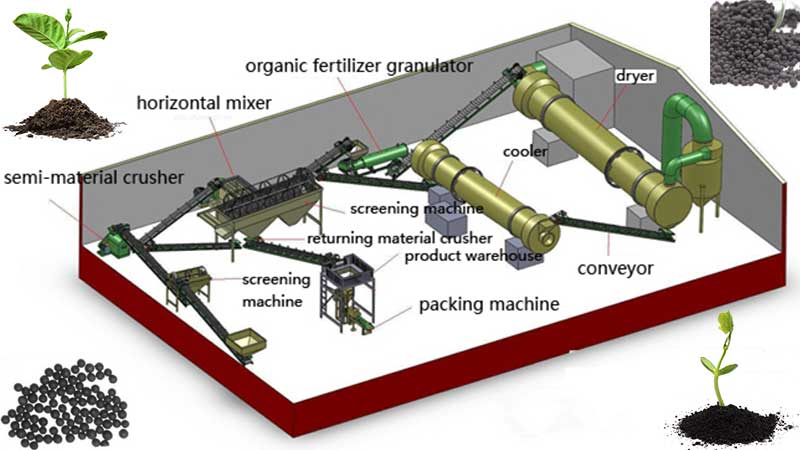
So, what is the fastest way to compost chicken manure? The answer is hot composting—a turbocharged method I’ve used to transform coop waste into nutrient-rich compost in just 18 days. Skip cold composting (which takes 6–12 months). As a professional chicken manure organic fertilizer production line manufacturer, I will share how to do it safely, efficiently, and at scale.

Why Chicken Manure Deserves Your Attention
Chicken manure isn’t waste—it’s a powerhouse soil builder. Here’s why:
- Nitrogen-rich: 3x more nitrogen than cow or horse manure.
- Balanced NPK: 1.1% N, 0.8% P, 0.5% K—ideal for tomatoes, peppers, and leafy greens.
- Soil structure hero: Boosts water retention and feeds beneficial microbes.
But fresh manure burns plants and risks contamination. Composting is non-negotiable.
The Speed Demon: Hot Composting Explained
Hot composting uses heat-loving aerobic microbes to break down materials 10x faster than cold methods. The key? Temperature control.
- Ideal range: 130–160°F (54–71°C).
- Kills pathogens: E. coli and weed seeds die above 131°F.
- Fast decomposition: Microbial activity peaks at high heat.
💡 My 2024 experiment: I composted 1 cubic yard of coop litter (manure + pine shavings) using the Berkeley Method. Result: Dark, earthy compost in 18 days. No turning? Same pile took 6 months.
The Berkeley Method: Your 18-Day Blueprint
Developed by UC Berkeley, this method relies on daily turning and perfect ratios. Here’s your battle plan:
Step 1: Nail the Carbon-to-Nitrogen Ratio (30:1)
Chicken manure is “green” (high nitrogen). Balance it with “browns” (carbon-rich materials).
| Material | Category | C:N Ratio |
|---|---|---|
| Chicken manure | Green | 10:1 |
| Pine shavings | Brown | 400:1 |
| Straw | Brown | 80:1 |
| Dry leaves | Brown | 60:1 |
- Mix ratio: 2–3 parts browns to 1 part greens.
- Example: 2 buckets shavings + 1 bucket manure.
- Why it works: Microbes need carbon for energy and nitrogen for protein synthesis.
Step 2: Prep Your Materials
- Shred browns: Chop leaves/straw into 1–2″ pieces. Smaller particles = faster breakdown.
- Moisture check: Aim for 50% moisture—like a wrung-out sponge. Too dry? Spray with water. Too wet? Add browns.
Step 3: Build the Pile
- Size matters: Minimum 3x3x3 ft (1 cubic yard). Smaller piles lose heat.
- Layering: Alternating greens and browns isn’t essential—just mix thoroughly.
Step 4: Monitor and Turn Relentlessly
- Temperature: Insert a compost thermometer daily.
- Day 1–3: Should hit 130°F+ within 48 hours.
- Below 110°F? Turn immediately.
- Turning schedule:
- Days 1–3: No turning (let heat build).
- Days 4–18: Turn every day. Move outer material inward.
- Signs of success: Steam rises when turning. Smell is earthy, not ammonia-like.
🌡️ Pro tip: In rainy climates, cover your pile with a tarp. Trapped moisture prevents cooling.
5 Mistakes That Sabotage Speed
- Ignoring C:N ratios: Too much manure → ammonia stink. Too many browns → slow decay.
- Skipping daily turns: Oxygen starvation kills microbes. Use a compost crank for barrels.
- Neglecting moisture: Dry piles stall at 90°F. Rehydrate while turning.
- Small piles: Under 1 cubic yard won’t retain heat.
- Adding new scraps: Fresh materials reset the decomposition clock.
Safety First: Pathogens and “Curing”
Hot composting nukes pathogens fast, but curing stabilizes your compost:
- After heating: Let compost sit 45–60 days.
- Safety test:
- Smell: Earthy = good. Rotten = bad.
- Texture: Crumbly, with no recognizable bits.
- Germination test: Plant beans in compost. 90%+ sprout rate? It’s ready.
⚠️ Never use raw manure on food crops! Apply composted manure:
- 90+ days before harvesting root veggies (carrots, potatoes).
- 120+ days for leafy greens (spinach, lettuce).
Using Your “Black Gold”
- Gardens: Spread 1–2″ on beds before planting.
- Compost tea: Steep 1 cup compost in 1 gallon water for 48 hours. Dilute 1:4 for foliar spray.
- Turbocharge growth: My tomatoes yielded 40% more after applying chicken manure compost in 2024.
FAQs: Rapid-Fire Answers
Q: Can I compost chicken manure in a tumbler?
A: Yes! But tumblers often lack mass for high heat. Turn daily and insulate with bubble wrap.
Q: What about eggshells?
A: Crush them. They add calcium but break down slowly. Better to feed back to chickens.
Q: Will this attract rats?
A: Hot piles (130°F+) deter pests. Use enclosed bins—never open piles.
Q: Can I add kitchen scraps?
A: Only during pile construction. Adding later cools the core.
The Bottom Line
So, what is the fastest way to compost chicken manure? Hot composting—a science-backed sprint that hinges on C:N ratios, heat, and hustle. I’ve seen this method turn coop cleanouts into garden fuel in 18 days. Start small, track temperatures, and turn like your plants depend on it (they do). By 2025, you’ll be a composting ninja—transforming waste into wealth, one pile at a time.


 English
  Spanish
  French
  Russian
  German
  Italian
  Turkish