
When you’re at the grocery store, picking up fresh tomatoes. Ever wonder how farms grow them so efficiently? Here’s the deal: those crops are powered by nutrients made in specialized factories. Let me explain exactly how this unsung hero of agriculture works.
Quick Summary:
- A fertilizer manufacturing plant converts raw materials like gas and minerals into crop-boosting nutrients via processes like granulation and chemical synthesis.
- Operators must navigate strict EPA rules on emissions and wastewater, while risks include rising potash prices and non-compliance shutdowns.
- Future-focused plants invest in AI blends, modular units, and carbon-capture tech by 2026.
- For startups, blending facilities offer lower entry costs, but securing raw-material contracts and automation tools is critical.
What is a Fertilizer Manufacturing Plant?
A fertilizer manufacturing plant is an industrial facility that transforms raw materials—like natural gas, phosphate rock, and potash—into the nutrients plants crave (nitrogen, phosphorus, and potassium). These plants use chemical reactions or physical blending to create granules or liquids that boost crop yields.
Want healthier food and stronger harvests? We owe it to these facilities. Sound good? As a professional fertilizer production line manufacturer, I will break it down everything about fertilizer manufacturering plant to you.
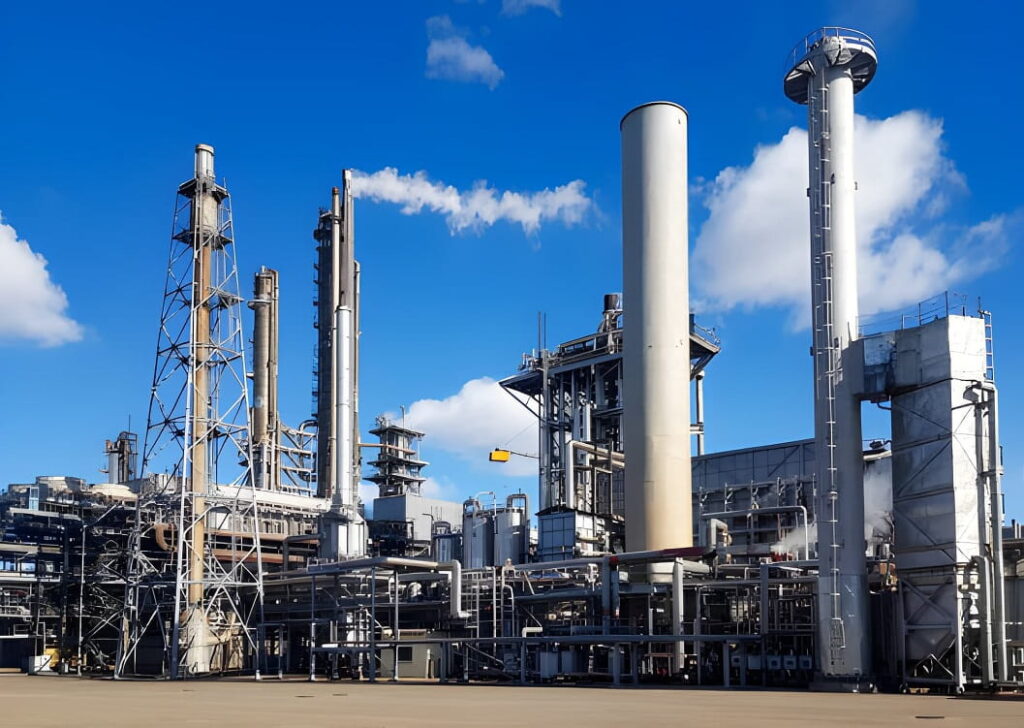
The Core Function of Fertilizer Manufacturing Plant
Here’s the thing: Fertilizers don’t just appear. They’re engineered. Plants take basic ingredients and convert them into forms crops can absorb, like ammonium nitrate or urea. Think of it as a “food factory” for agriculture.
Key inputs include:
- Natural gas (for nitrogen-based fertilizers).
- Phosphate rock (mined from places like Morocco or the U.S.).
- Potash (dug up in Canada or Russia).
Pro Tip: Without these plants, global food production would drop by 40–50%. That’s 3.5 billion people at risk.
Step-by-Step: How Fertilizer is Made
Let’s get into the nitty-gritty. Fertilizer production isn’t one-size-fits-all—it depends on the nutrient. I’ll simplify it into bite-sized chunks.
Ever mixed hydrogen and nitrogen? Neither have I. But fertilizer plants do—under extreme heat and pressure. Here’s the deal:
1. Ammonia synthesis: Combine nitrogen (from air) + hydrogen (from natural gas) → liquid ammonia.
2. Urea production: Mix ammonia + carbon dioxide → urea pellets. Example: Mitsubishi factories do this at scalē using 500–1,000°C temperatures.
Phosphate rock isn’t plant-friendly until processed:
- Treat rock with sulfuric acid → phosphoric acid.
- Add ammonia → ammonium phosphate.
Fun fact: The U.S. EPA regulates this tightly (more on that later).
Potash ores are crushed, purified, and turned into soluble potassium chloride. For blended fertilizers (NPK):
1. Pre-made nitrogen, phosphorus, and potassium granules are mixed.
2. Custom ratios (e.g., 10-10-10) cater to soil needs.
Pro Equipment Alert: Companies like LANE Machinery automate this for precision.
Inside the Fertilizer Manufacturing Plant: Critical Operations
Short on time? Here’s a no-fluff breakdown of what keeps these plants humming.
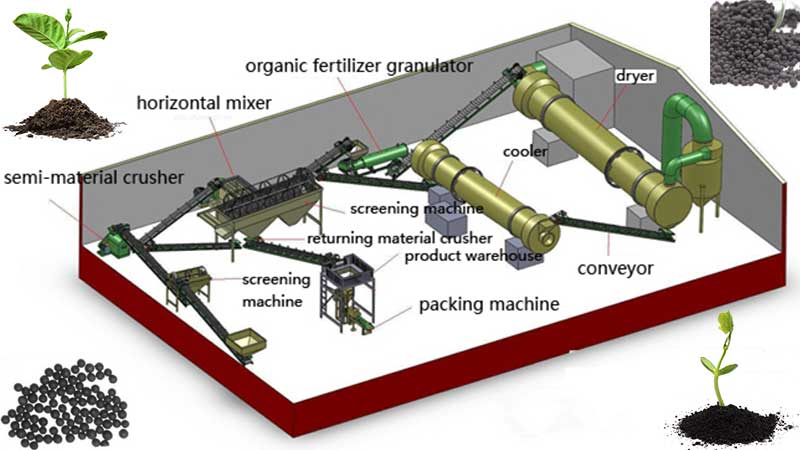
1. Granulation Raw materials → compacted into easy-spread pellets. 2. Drying/Cooling Excess moisture removed to prevent clumping.
3. Screening Granules sorted by size (giant sieves shake out misfits!). 4. Packaging Automated baggers fill 50-lb sacks or bulk containers.
Key stat: A midsize plant churns out 300,000+ tons yearly. That’s 10,000 dump trucks of fertilizer!
3 Types of Fertilizer Manufacturing Plants (And Which Reigns Supreme)
Not all fertilizer factories are identical. Your farm’s needs determine the best fit.
Ideal for: Synthetic fertilizers (ammonia, urea).
- Use high-pressure reactors.
- Massive output ($$$ investment).
- My take: Efficiency kings, but need heavy infrastructure.
Best for: Custom NPK mixes.
- Blend pre-made materials.
- Lower startup costs.
- Real-world example: Midwest U.S. shops serve regional corn/soybean farms.
Go green with: Compost, manure, or food waste.
- Ferment organic matter.
- Granulate into odorless pellets.
- 2026 trend: Hyūga is supercharging fermentation for quicker output.
Environmental Bootcamp: Regulations and Solutions
But here’s the thing: Fertilizer manufacturering plants face heat for emissions and runoff. The U.S. EPA’s Effluent Guidelines (40 CFR Part 418) mandate strict controls on:
- Wastewater (e.g., gypsum ponds).
- Air pollutants (ammonia leaks = big fines).
Pro Tip: Modern fixes include:
- Capturing waste heat to power turbines (saves 20% energy).
- Using filters to trap fluoride gases.
Bottom line? Plants balancing output with eco-compliance thrive.
Fertilizer Manufacturing Plants in 2026: The Future is Efficient
Get ready. By 2026, expect smarter, cleaner factories.
- AI-driven blending: Sensors analyze soil data → create custom fertilizer batches instantly.
- Carbon capture: Startups like CCm Technologies turn CO2 into fertilizer ingredients.
- Modular plants: Drop-in units for rural areas (cutting transport emissions 30%).
Data point: The $42.7 billion fertilizer industry (CAGR 4.7%) invests heavily in these upgrades.
Building Your Own Fertilizer Manufacturing Plant? Start Here.
Thinking of launching a fertilizer biz? I’d focus on these steps.
1. Pick a Type
- Liquid? Granular? Organic?
- Pro Tip: Start with blending—it’s budget-friendly.
2. Get Raw Materials Forge deals with mines or gas suppliers (potash prices swing—lock contracts!).
3. Master Compliance Work with EPA consultants upfront (trust me, permits take months). 4. Tech Up Automate with tools like Deskera MRP—it tracks inventory and schedules maintenance.
Avoid mistakes:
- Skip environmental plans? Prepare for shutdowns.
- Underestimate moisture control? Clumped fertilizer = angry farmers.
Final Thoughts
The bottom line? A fertilizer manufacturing plant isn’t just a factory. It’s the backbone of our food chain—turning rocks and gas into life-giving nutrients. From ammonia synthesis to granular blends, these facilities evolve to meet 2026’s challenges: feeding 8 billion sustainably.
Want healthier crops and higher yields? Thank a fertilizer manufacturing plant.


 English
  Spanish
  French
  Russian
  German
  Italian
  Turkish