
Let me ask you something: If you’ve got pigs (or access to their manure), are you sitting on literal “black gold” or a ticking time bomb for your garden?
Here’s the deal: Pig manure is a fantastic fertilizer. But only if you handle it correctly. Fresh from the pen? It’ll scorch your plants, stink like hell, and could harbor dangerous pathogens. Composted right? It transforms into nutrient-dense soil magic.
I’ve seen too many gardeners torch their tomatoes with raw slurry or miss out on epic yields by skipping this free resource. In this post, as a professional pig manure fertilizer production line manufacturer, let me break down exactly how to turn pig waste into garden wealth—safely and effectively.
Quick Summary
- Quality: Pig manure is nutrient-rich (NPK+) and improves soil structure, lowering fertilizer costs.
- Essential Safety Step: Raw manure MUST be hot-composted (140-160°F/15+ days) to kill E. coli, Salmonella, parasites, prevent root burn, and reduce odor. Never apply it fresh.
- Risk Management: Requires careful handling (gloves, boots), soil tests for salt/metal buildup, and safe application timing/methods.
- Recommended Use: Apply fully composted manure pre-planting for heavy feeders (corn, tomatoes), onto fields in fall with low-emission spreaders, or side-dressed away from stems.
Is Pig Manure Good Fertilizer
Yes, pig manure is a valuable fertilizer packed with nitrogen (N), phosphorus (P), potassium (K), and micronutrients like calcium and magnesium, improving soil health and reducing synthetic fertilizer costs. But raw pig manure is “hot” and will burn plant roots, harbors dangerous pathogens like E. coli and Salmonella, and can attract flies or smell intensely.
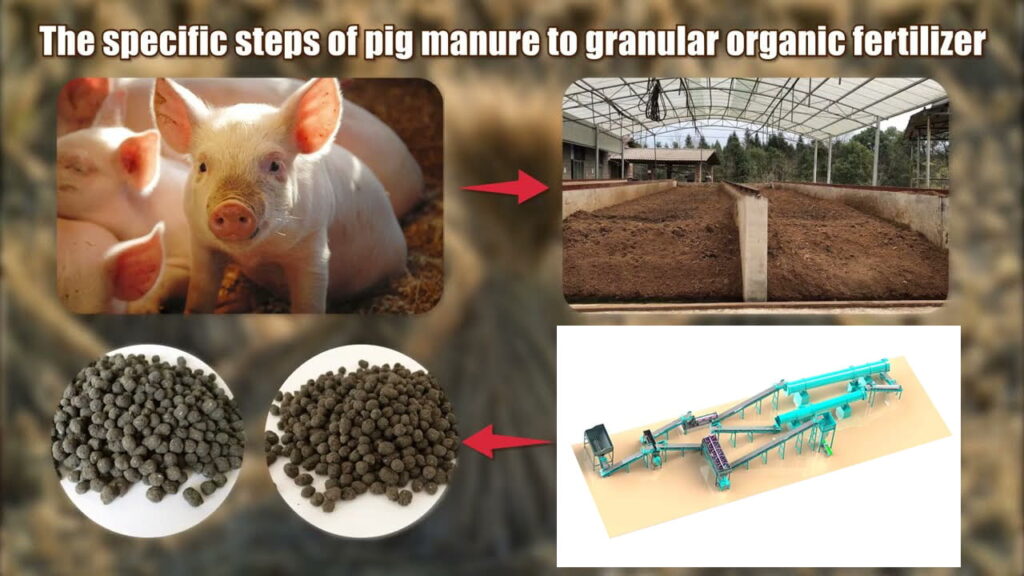
Why Pig Manure Deserves Your Attention (Hint: It’s NPK-Packed!)
Look, most fertilizers promise the world. Pig poop delivers. A University of Minnesota study analyzed it and found it punches above its weight:
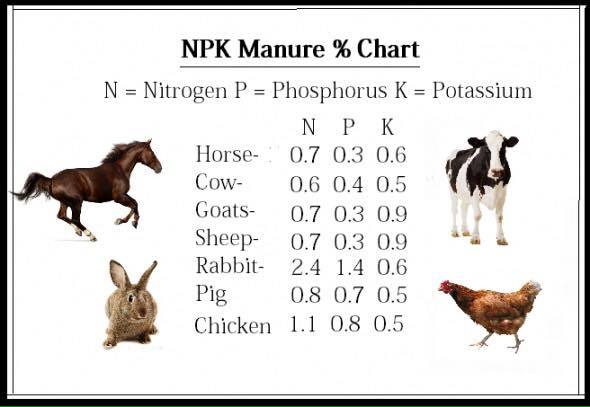
Pig manure vs. cow/horse/chicken–see that nitrogen spike?
But nutrients alone don’t tell the whole story. Here’s what makes pig manure special:
1. Slow-Release Nitrogen Magic: Unlike synthetic fertilizers that flood plants then vanish, pig manure’s nitrogen unlocks gradually as soil microbes break it down. Less leaching, longer feeding.
2. Organic Matter Supercharger: Ever wrestled with concrete-like clay? Pig compost adds spongy organic matter that helps sandy soils hold water and clay soils breathe. 3. Micronutrient Trove: Beyond NPK, it’s loaded with sulfur, calcium, magnesium—stuff synthetics skip but crops crave.
Pro Tip: Hungry crops like corn, squash, and tomatoes guzzle pig manure compost. Avoid root crops (carrots, potatoes) until fully composted—they’re prone to deformities from fresh nitrogen surges.
The Big Catch: Why Fresh Pig Poop is a Garden Killer
Raw pig manure is “hot.” Not temperature-wise (though compost piles rocket to 150°F!), but chemically. Applying it fresh is like dumping gasoline on roots—it’ll burn them. Here’s why:
- Ammonia Overload: Fresh waste is ammonia-heavy. This dehydrates plant tissues fast.
- Pathogen Party: Pigs harbor E. coli, Salmonella, parasites. Raw manure = contamination risk, especially on edibles.
- Odor Apocalypse: Ever smelled rotting pig slurry? Your neighbors will complain.
An Iowa State trial (2025) found lettuce grown with raw pig manure had 200% more E. coli versus composted. Not worth the ER trip.
The bottom line? Never apply fresh pig manure directly to gardens. Composting isn’t optional—it’s non-negotiable.
Composting Pig Manure: Your Step-by-Step “Safety Switch”
Ready to neuter pathogens, zap odor, and unlock nutrients? Follow this blueprint. I’ve used it on my own plots for years.
What You’ll Need
- Pig manure (stockpile if needed)
- “Browns” like straw, dried leaves, wood chips (crucial for carbon balance!)
- Garden hose or rain barrel
- Pitchfork or compost turner
- Compost thermometer (< $20—worth every penny)
Pro Tip: Mix manure with carbon sources in a 6:1 browns-to-manure ratio. Too little carbon? Stinky sludge. Too much? Slows cooking.
The 4-Phase Composting Timeline
| Phase | Duration | Temperature | Action Required |
|---|---|---|---|
| Initial Ramp | 3-5 days | Up to 130°F | Mix materials; add water to dampen |
| Thermophile (Hot!) | 2-4 weeks | 140-160°F | Turn pile every 3-5 days |
| Cooling | 2-3 weeks | Drops below 100°F | Turn weekly; add water if dry |
| Maturation | 2-4 months | Ambient | No turning; let fungi work |
Why 140°F+ is non-negotiable: USDA confirms temperatures above 131°F for 15+ days kill Salmonella, parasites, and weed seeds. Don’t guess—measure!
Signs your compost is DONE:
- Smells like earthy forest soil (no ammonia stench)
- Crumbly texture, dark brown/black color
- Original manure/straw chunks gone
Field-Tested Application Tactics (Max Yield, Zero Burn)
Got finished compost? Now deploy it strategically:
For Vegetables & Annuals:
- Pre-Planting: Till 2-4 inches into beds 3-4 weeks before planting.
- Side-Dressing: Scratch 1 cup per plant (tomatoes/peppers/squash) 6 inches from stems mid-season. Keeps nutrients coming sans root burn.
For Perennials & Trees:
- Top-dress 1-2 inches around driplines in early spring. Water deeply.
For Pastures & Fields (Large Scale):
- Apply 2-3 tons/acre in fall using LOW-EMISSION spreaders. Lets nutrients stabilize pre-planting.
3 Hidden Pitfalls Most Farmers Miss (Fix These FAST)
1. Antibiotics/Medications: Commercial hog operations often use additives. These linger in manure and harm soil microbes. Solution: Ask suppliers about med history. Test compost if unsure. 2. Salt Buildup: Pigs (and their feed) contain salt. Over-application raises soil salinity. Solution: Get soil tests annually. Limit manure compost to 25% of total soil volume. 3. Copper/Zinc Overload: Pig diets often include these metals. Excesses become toxic to plants. Solution: Rotate manure with low-metal amendments (like leaf mold).
Real Farmer Case Study: From Waste to $12K in Savings
Jim Bates (Ontario) had a 150-pig operation drowning in manure. Paying for disposal and synthetic fertilizer. Then he:
1. Invested in a compost turner ($2,800). 2. Followed the hot-compost protocol. 3. Applied compost across 40 acres of corn/soybeans.
Results by 2026 harvest:
- Synthetic fertilizer costs dropped 92% ($13k → $1k)
- Corn yields up 19% thanks to better water retention
- Soil organic matter jumped from 2.1% to 3.8%
“That compost turner paid for itself in 6 months,” Jim told me. “My soil’s alive again.”
Your Safety Playbook: Handling Raw Manure Like a Pro
Even pre-composting, safety isn’t optional:
- Gear Up: Wear gloves, boots, and a mask when moving raw manure. Salmonella is no joke.
- Wash Everything: Tools, boots, hands. Soap + water before touching animals or food.
- Cook Homegrown Veggies: Heat kills lingering pathogens on produce from manured soil.
Future-Proofing: What’s Next for Pig Manure Fertilizer?
Commercial tech is leaping forward. Watch for:
- Anaerobic Digesters: Capture methane from waste for energy while making pasteurized “digestate” fertilizer.
- Biochar Blends: Infusing compost with biochar locks carbon and boosts nutrient retention 2-3X.
- Phosphorus Recovery: New systems extract excess phosphorus (a runoff pollutant) to reuse as fertilizer.
Final Verdict (& Your First Step Today)
So, back to our title question: Is pig manure good fertilizer?
Absolutely. When composted hot and long enough, it’s a powerhouse soil-builder that slashes costs and turbocharges yields. But rush it? That’s playing Russian roulette with toxins and bacteria.
Your Next Move: If you’ve got pigs, build a hot compost pile this week. Monitor temps. If sourcing manure? Ask for composted/aged material. Test it—if it smells sour or sweet, walk away.
Done right? That dark, crumbly “black gold” will be the best thing your garden’s ever tasted. Sound good?


 English
  Spanish
  French
  Russian
  German
  Italian
  Turkish