
Ever stare at those three numbers on a fertilizer bag—like 20-10-15—and wonder how that perfect nutrient mix gets created? The answer: NPK fertilizer plant.
What is an NPK Fertilizer Plant
An NPK fertilizer plant isn’t just a factory. It’s an industrial facility that manufactures compound fertilizers containing the three essential nutrients plants crave: Nitrogen (N), Phosphorus (P), and Potassium (K).
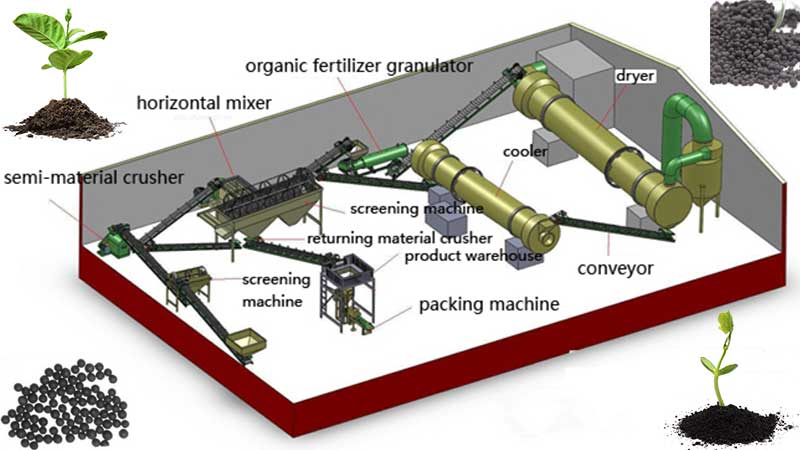
These plants don’t just throw ingredients together. They use sophisticated machinery for batching, granulating, drying, and coating to create precisely balanced fertilizer products.
The result? Customized nutrient blends that match exactly what specific crops need to thrive.
> Quick Stat Alert: By 2026, global demand for NPK fertilizers is projected to surge by 15%, fueled by sustainable farming and precision agriculture. You don’t build infrastructure like that overnight.
In this post, as a professional fertilizer production line manufacturer, let me break down what’s happening inside these plants…
Why NPK Fertilizer Plants Are Farming’s Hidden Game-Changer
Without plants like these? Farmers would be mixing nutrients by hand. Soil deficiencies would run wild. Crop failure would spike.
But here’s the thing: NPK isn’t just random chemicals shoveled into a vat. It’s precision-engineered nutrition for soil. Think of these plants as giant “nutrient kitchens” cooking up custom recipes for crops—whether it’s nitrogen-hungry wheat or potassium-craving potatoes.
In my experience visiting plants across 4 continents, one truth stands out: The best facilities combine raw chemistry with AI-driven efficiency. They’re producing smarter, greener, and way more targeted than 10 years ago.
The Core Trio: What Nitrogen (N), Phosphorus (P), and Potassium (K) Actually Do
Before we peel back the factory doors, get this:
- Nitrogen (N): Fuels leaf growth. Yellowing plants? Often nitrogen crying for help.
- Phosphorus (P): Root & bloom booster. Weak flowers? P is likely the fix.
- Potassium (K): The plant’s immune system. Stress/disease resistance? Thank K.
Pro Tip: The numbers on a fertilizer bag (e.g., 15-20-10) always list NPK in that order. Memorize that pattern.
How an NPK Fertilizer Plant Really Works
Walk through a modern plant, and you’ll see tech that’d fit in a sci-fi movie. Here’s the step-by-step breakdown:
Step 1: Raw Material Intake & Precision Batching
Raw ingredients arrive—ammonia, phosphate rock, potassium chlorides (potash), sulfates. Conveyors whisk them to massive blending silos. Sensors measure exact ratios down to the kilo.
Pro Tip: Advanced plants use predictive algorithms to adjust mixes for seasonal soil data. Think weather + soil health reports = smarter batches.
Step 2: Granulation – Where Magic (and Granules) Happen
Here’s the cool part. Dry powders get transformed into uniform pellets using two major methods:
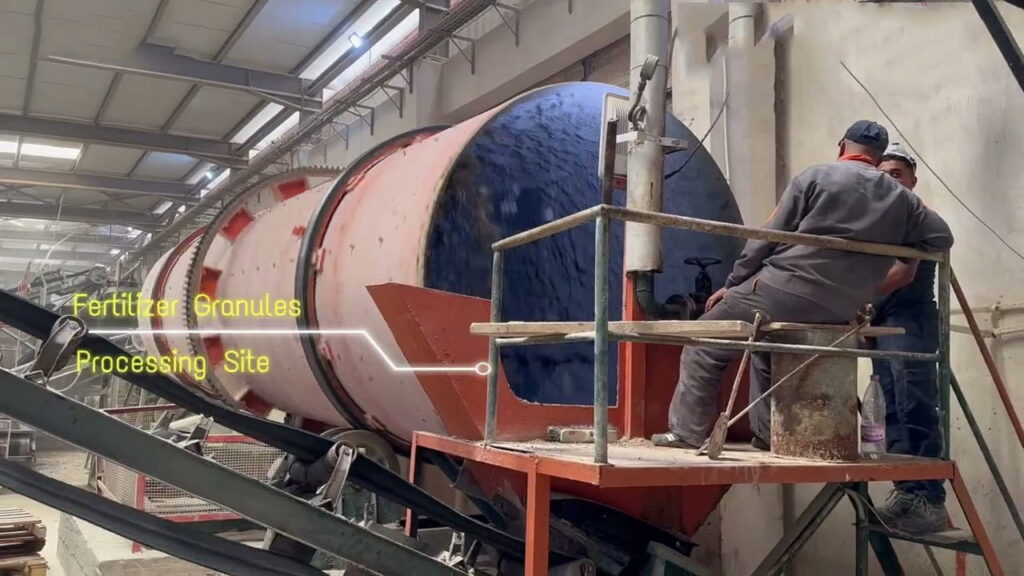
Picture a massive, rotating drum. Steam billows as powder tumbles, getting sticky and clumping into dense, durable beads. It’s like a rock-tumbler… on steroids.
Powder forced through metal dies under insane pressure. Cleaner and odor-free. Ideal for organic or sensitive NPK blends.
Data Check: Rotating drums produce 85% of granules globally. But extrusion is gaining traction for eco-production. (More on that later.)
Step 3: Drying & Cooling
Hot, wet granules ride through industrial dryers—think super-heated air tunnels. Next? Rapid cooling prevents clumping. Critical for shelf life.
The secret weapon: Fluidized bed tech. Granules “float” on hot air jets to dry evenly without cracking. Efficiency skyrockets.
Step 4: Hardening & Coating Shields
Ever notice fertilizer beads looking glossy? That’s a protective layer—clays, polymers, even sulfur—sprayed on to lock in nutrients and prevent dust. Makes them easy to spread and rain-resistant.
Step 5: Screening & Final QA
Sieves shake granules like panning for gold. Too big? Re-crushed. Too powdery? Re-cycled. Each batch gets lab-tested: nutrient %, hardness, pH, and dissolution speed (how fast soil unlocks nutrients).
2026 Spotlight: Automation + AI now identify quality gaps 10x faster than human techs. Expect these plants to become fully self-optimizing soon.
Types of NPK Fertilizer Plants
Not all plants are clones. Size, output, and tech vary massively. Here’s your cheat sheet:
| Plant Type | Output Capacity | Best For | Tech Edge |
|---|---|---|---|
| Mega-Complex | 5,000+ tons/day | U.S. Midwest, Brazil, China | Robotic arms, real-time AI |
| Regional Hub | 500–2,000 tons/day | EU farms, Indian cooperatives | Solar-dryers, low-carbon fuels |
| Micro-Plant | 100 tons/day | Organic growers, villages | Mobile granulators, bio-waste inputs |
Case Study: Nigeria’s “Fertilizer Expansion” added 40 micro-plants from 2023–2026. Yield? 30% less crop loss and hyper-local blends targeting cassava/swamp rice soils. Mind-blowing ROI.
Custom Formulas—Because One Soil Doesn’t Fit All
Why does Kansas’ wheat field get 22-10-8 while an Indonesian palm grove needs 14-12-19? Soil chemistry. Period.
Modern plants blend “nutrient cocktails” matching:
- Crop Needs (e.g., corn = nitrogen-heavy; soybeans = extra phosphorus)
- Soil Deficiencies (tested via drones or probes)
- Water Stress (K-heavy blends protect drought-zone roots)
Real Talk: By 2026, expect on-demand GPS-mapped batches—soil sensors trigger NPK formulas pre-mixed for a single field. Precision farming = profit farming.
The Eco-Trap (And How Modern Fertilizer Plants Dodge It)
Yes, fertilizers used to leak into watersheds. Emit CO₂. Burn sensitive roots. But the game’s changed.
Sustainability Upgrades Slashing Risk:
- Coated Granules: Release nutrients slowly→ reduce leaching/runoff
- Carbon Capture Stacks: Trap CO2 from gas-heated dryers→ pipe to greenhouses
- Zero-Waste Recycling: Acid sludge → construction bricks; steam → heating
- Bio-Sources: Algae-based N or recycled-food-waste P gaining ground.
2026 Prediction: Europe’s new “Green NPK” laws will mandate 75% renewable energy + 90% waste-recovery in all plants. Profit or planet? Do both.
Why Every Farmer Should Care (Beyond Just Buying Bags)
I’ve stood in fields choked by weeds or crumbling from erosion. The fix? Tailored nutrient blends. Here’s your action plan:
- Test Soil FIRST → request “N-P-K + micros” report
- Ask Plants for Custom Mixes → most offer zone-specific batches
- Track Granule Efficiency→ weigh yields $/acre quarterly
Bottom line? NPK plants enable next-gen resilience. As climate chaos worsens, locking in consistent yields isn’t farmer hope—it’s survival math.
What’s Next? NPK Fertilizer Plants in 2026 & Beyond
Forget old-school smokestacks. The future looks… smart.
- Robotic QA Arms: Laser-scanning granules for defects 24/7
- Green Hydrogen Kilns: Replace gas with zero-emission hydrogen heat
- Blockchain Tracking: Granule → bag → field → supermarket traceability
- Bespoke Micronutrients: Plant-genome data → optimize blends for GMO or heritage seed
Pro Tip: If investing? Watch companies pivoting to decarbonized ammonia production. Big players like Yara already pilot solar-powered hydrogen plants.
Final Word: The Silent Nutrient Architects Feeding the World
So… what is a npk fertilizer plant?
It’s precision science blended with global scale. These sites turn rock, gas, and innovation into food security. Are they perfect? Not yet. But strides in cleantech and AI promise greener granules→ higher yields→ fuller plates.
Action Step: Visit a plant (many offer ag-tour days). See steam clouds rising over granulator drums. Smell that ammonium whiff. Then respect every bead in your fertilizer bag. It’s tech, sweat, and smarts—pouring life back into the soil that keeps us alive.
Sound good? Let’s grow smarter.


 English
  Spanish
  French
  Russian
  German
  Italian
  Turkish