
Let me guess:
You’ve got a papaya tree that’s not producing the sweet, juicy fruit you were hoping for. Or maybe your tree looks more like a sad stick than a tropical powerhouse.
Here’s the thing: What is the best organic fertilizer for papaya tree growth and fruit production? As a professional organic fertilizer production line manufacturer, and after testing dozens of organic options on my papaya plants over the past 5 years, I’ve found the answer isn’t as simple as grabbing any bag of fertilizer off the shelf.
The good news? Once you nail down the right organic fertilizer strategy, your papaya tree will reward you with massive harvests of delicious fruit.
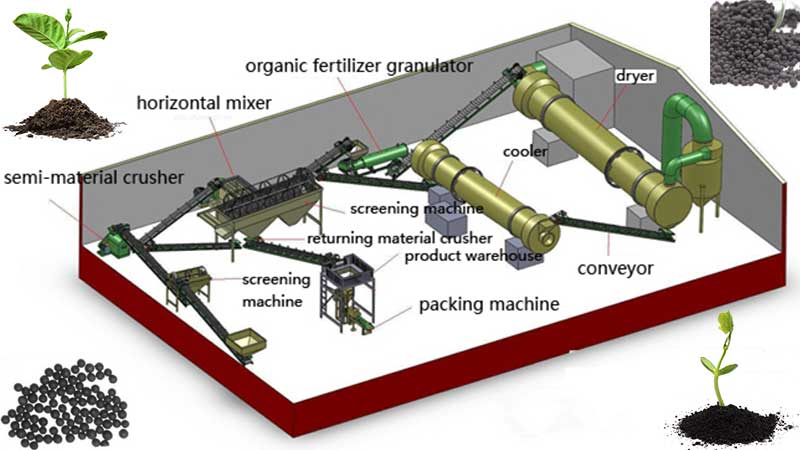
Friendly reminder: Are you a papaya plantation owner? Instead of buying expensive commercial fertilizer, why not purchase a small pellet mill to make your own organic fertilizer from farm waste? Click to view small-scale organic fertilizer production line solutions.
Quick Summary:
- Papaya trees are heavy feeders and fail fast when nutrients or drainage are wrong.
- The best organic approach combines compost, worm castings, aged chicken manure, fish emulsion, and kelp meal.
- Apply nutrients regularly, avoid over-fertilizing, and maintain soil pH between 6.0–7.0.
- Consistency and balanced feeding produce better fruit than heavy, infrequent applications.

Why Papaya Trees Are Heavy Feeders (And What That Means for You)
Papaya trees are like teenage athletes – they’re growing fast and they’re HUNGRY.
Think about it:
These trees can grow from seed to fruit-bearing in less than a year. That’s insane growth that requires serious nutrition.
In fact, a healthy papaya tree needs:
- Nitrogen for lush leaf growth
- Phosphorus for strong roots and flowers
- Potassium for fruit development
- Calcium to prevent blossom end rot
- Magnesium for chlorophyll production
- Micronutrients like boron and zinc
Miss any of these, and your tree starts showing signs of deficiency faster than you can say “tropical fruit.”
Best Organic Fertilizer for Papaya Tree: Top 5 Options
After years of trial and error (and some spectacular failures), here are the organic fertilizers that consistently deliver results:
1. Well-Aged Compost: The Foundation
Compost is the MVP of organic papaya fertilizers.
Why?
It’s not just about the nutrients. Quality compost:
- Improves soil structure
- Increases water retention
- Feeds beneficial microorganisms
- Releases nutrients slowly over time
Application rate: Apply 2-3 inches around the base every 2-3 months, keeping it 6 inches away from the trunk.
Pro tip: Make sure your compost is fully decomposed. Fresh compost can burn those sensitive papaya roots.
2. Worm Castings (Vermicompost): The Secret Weapon
Here’s something most gardeners don’t know:
Worm castings contain growth hormones that can increase papaya fruit size by up to 20%.
I discovered this by accident when I started adding vermicompost to half my papaya plants. The difference was shocking – bigger fruit, more flowers, and darker green leaves.
Application rate: 1-2 cups per plant monthly, worked into the top 2 inches of soil.
3. Aged Chicken Manure: The Nitrogen Powerhouse
Papaya trees love nitrogen, especially during their rapid growth phase.
Aged chicken manure delivers:
- 3-5% nitrogen (higher than most animal manures)
- Fast-acting nutrients
- Beneficial microbes
Warning: Never use fresh chicken manure. It’ll fry your plants faster than a hot summer day.
Application rate: 1 pound per plant every 6-8 weeks during growing season.
4. Fish Emulsion: The Quick Fix
Sometimes your papaya tree needs nutrients NOW.
That’s where fish emulsion shines. It’s like an energy drink for your plants – fast-acting and immediately available.
Use it when you see:
- Yellowing leaves (nitrogen deficiency)
- Slow growth
- Poor fruit set
Application rate: Dilute 1 tablespoon per gallon of water, apply every 2 weeks during active growth.
5. Kelp Meal: The Micronutrient Boost
Most gardeners focus on NPK and forget about micronutrients.
Big mistake.
Kelp meal provides over 60 trace minerals that papaya trees need for:
- Disease resistance
- Fruit quality
- Overall plant health
Application rate: 1/4 cup per plant monthly, scratched into soil surface.
Creating Your Own Papaya Super-Mix
Want to know what I use on my champion papaya trees?
Here’s my tested recipe:
- 4 parts aged compost
- 2 parts worm castings
- 1 part aged chicken manure
- 1 part kelp meal
- 1/2 part bone meal (for phosphorus)
Mix it all together and apply 2-3 cups per plant monthly during growing season.
Fertilizer Schedule That Actually Works
Timing is everything with papaya fertilization.
Here’s the schedule I follow in 2025:
Young plants (0-4 months):
- Light feeding every 2 weeks
- Focus on balanced nutrition
- Use diluted fish emulsion or compost tea
Established plants (4+ months):
- Heavy feeding monthly
- Increase potassium when flowering starts
- Add extra calcium during fruit development
Container papayas:
- Feed every 2 weeks (nutrients wash out faster)
- Use half-strength applications
- Monitor for salt buildup
Common Organic Fertilizer Mistakes (That Kill Papaya Trees)
I’ve made all these mistakes so you don’t have to:
Mistake #1: Over-fertilizing
More fertilizer ≠ more fruit.
Over-fertilizing causes:
- Salt burn on roots
- Excessive leaf growth (no fruit)
- Nutrient lockout
The fix: Start with half the recommended amount and increase gradually.
Mistake #2: Wrong pH
Papaya trees need slightly acidic to neutral soil (pH 6.0-7.0).
If your pH is off, your tree can’t absorb nutrients – no matter how much fertilizer you add.
The fix: Test soil pH every 6 months and adjust with lime or sulfur as needed.
Mistake #3: Ignoring Drainage
Papaya roots + soggy soil = dead tree.
Even the best organic fertilizer won’t help if your tree is drowning.
The fix: Plant in raised beds or add perlite to improve drainage.
Special Considerations for Container Papaya Trees
Growing papaya in pots? The fertilizer game changes completely.
Container papayas need:
- More frequent feeding (nutrients leach out)
- Careful salt management
- Regular soil replacement
My container formula:
- Weekly weak feedings instead of monthly heavy doses
- Flush soil monthly with plain water
- Replace top 2 inches of soil every 3 months
Signs Your Organic Fertilizer Program Is Working
How do you know if you’re on the right track?
Look for these indicators:
- Dark green, glossy leaves
- New growth every 1-2 weeks
- Flowers appearing 4-6 months after planting
- Fruit setting successfully
- No yellowing or leaf drop
The Bottom Line on Papaya Tree Nutrition
Here’s what it all comes down to:
The best organic fertilizer for papaya trees isn’t a single product – it’s a combination of nutrient-rich amendments applied at the right time.
Start with quality compost as your foundation. Add worm castings for growth hormones. Boost with aged manure during rapid growth. Supplement with fish emulsion when needed. Don’t forget those micronutrients from kelp meal.
Follow this approach, and you’ll have papaya trees that produce like crazy.
Remember: consistency beats intensity every time. Regular, moderate feeding produces way better results than sporadic heavy applications.
Now get out there and give your papaya trees the organic nutrition they deserve. Your future self (and taste buds) will thank you when you’re harvesting baskets of sweet, homegrown papayas.
Because at the end of the day, knowing what is the best organic fertilizer for papaya tree success means understanding that these tropical powerhouses need a balanced, consistent supply of organic nutrients to thrive and produce those incredible fruits we all love.


 English
  Spanish
  French
  Russian
  German
  Italian
  Turkish