
Let me ask you a question you’ve probably wondered while shoveling manure:
Is goat manure actually good fertilizer?
Or are you just dealing with smelly pellets for no reason?
Here’s the deal:
Most gardeners default to cow or horse manure without thinking twice. Meanwhile, experienced growers quietly stockpile what they call “garden gold”—goat manure.
As a professional fertilizer production line manufacturer, I’ve tested dozens of organic fertilizers over the years. And in my experience, goat manure isn’t just good fertilizer… it’s one of the most underrated soil amendments you can get your hands on.
But (and there’s always a “but”)…
Not all goat manure is created equal. And using it the wrong way can actually hurt your plants.
Sound good? Let me explain why goat manure deserves a spot in your garden—and exactly how to use it.
Quick Summary
- Goat manure is a high-quality, balanced organic fertilizer with a good nutrient profile and low odor.
- The essential requirement is to compost it for 3–6 months before application to ensure safety and effectiveness.
- It’s particularly beneficial when mixed with carbon-rich bedding like straw.
- Always use composted, not fresh, manure, especially for root crops.
Is Goat Manure Good Fertilizer
Yes, goat manure is a excellent organic fertilizer, often called “garden gold” by experienced growers. Compared to cow or horse manure, it offers a more concentrated nutrient punch (higher in nitrogen and potassium), comes in easy-to-handle pellets, and has a lower odor.
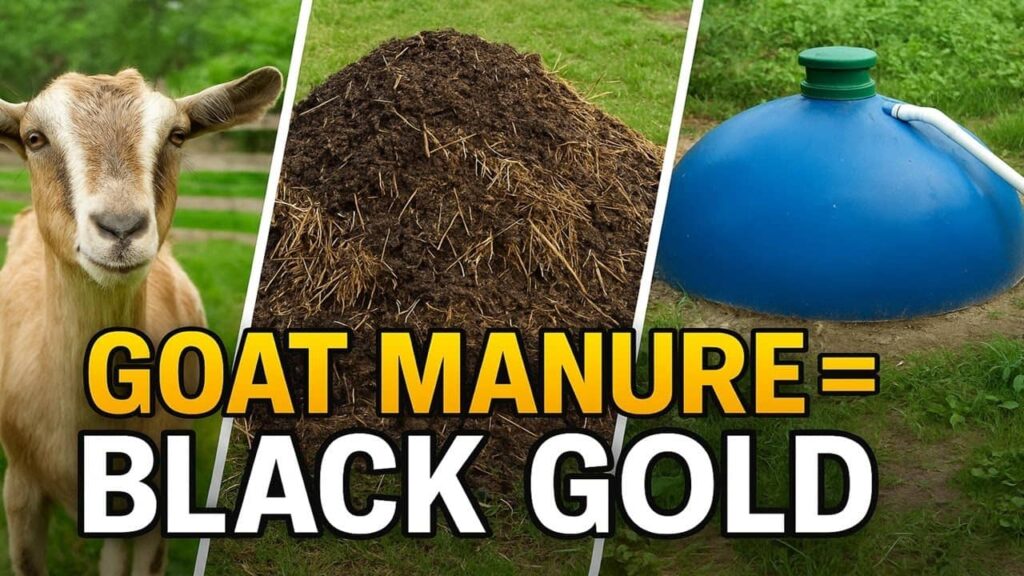
Why Goat Manure is “Garden Gold” (The 2026 Perspective)
Let’s get straight to the point.
If you’re looking for a balanced, easy-to-handle, and effective organic fertilizer, goat manure checks all the boxes.
Here’s why:
1. Higher Nutrient Concentration
Compared to cow or horse manure, goat droppings pack a more concentrated nutritional punch.
Think of it like espresso vs. drip coffee.
Both come from the same “bean” (plant material), but one is far more potent.
Here’s a rough nutritional comparison based on recent soil lab analyses:
| Manure Type | Nitrogen (N) | Phosphorus (P) | Potassium (K) |
|---|---|---|---|
| Goat | High | Medium | High |
| Horse | Medium | Low | Medium |
| Cow | Low | Low | Low |
Pro Tip: These values fluctuate based on the goat’s diet. Goats fed alfalfa and legumes produce even richer manure.
2. The “Pellet Advantage”
Goats produce neat, dry pellets.
This isn’t just about aesthetics (though it’s definitely less messy).
The pellet form creates natural air pockets, which means:
- Better airflow in compost piles
- Faster decomposition
- Easier spreading in garden beds
Ever tried breaking apart a matted clump of wet cow manure? Yeah. Goat manure saves you that struggle.
3. Lower Odor, Fewer Problems
I’ve worked with chicken, pig, and rabbit manure. Some smell… agricultural.
Goat manure is significantly less pungent. If you have close neighbors or a sensitive nose, this is a game-changer.
Also, goats are meticulous eaters with highly efficient digestive systems. They destroy more weed seeds than cows or horses. That means fewer weeds sprouting in your beds from contaminated manure.
How to Use Goat Manure Safely (The Right Way)
Even though goat manure is “cooler” and less likely to burn plants than chicken manure, you shouldn’t just dump it fresh on your tomatoes.
Here are my rules for using it safely:
1. Compost It First (Yes, Really)
Some gardeners apply goat manure directly. And you can get away with it more than with chicken manure.
But it’s still safest to compost it for 3–6 months.
Why?
- Kills lingering pathogens (like E. coli)
- Destroys any stray weed seeds
- Stabilizes nutrients so plants can absorb them slowly
Case in point: A 2025 study found that composting goat manure reduced pathogen counts by over 99.8%. Worth the wait.
2. Mix with Carbon-Rich Bedding
If you can get manure mixed with straw, hay, or wood shavings from a barn floor—take it.
The carbon in the bedding balances the nitrogen in the manure. This creates a perfectly balanced compost without you doing extra work.
3. Make “Goat Manure Tea”
This is one of my favorite tricks for a quick nutrient boost.
Soak a mesh bag of goat manure in a bucket of water for 5–7 days. Stir daily. You’ll get a potent liquid fertilizer that’s perfect for foliar feeding or soil drenching.
Dilute it 1:10 with water before using.
Pro Tip: If you’re growing root vegetables (carrots, potatoes, radishes), always compost manure first. Applying raw manure too close to harvest can pose a small risk of soil-borne bacteria.
Goat Manure vs. Other Manures: A 2026 Breakdown
You might be wondering:
“Why goat? What about chicken manure? Or rabbit?”
Good question.
Let’s compare:
Chicken Manure
- Higher nitrogen (can burn plants if applied fresh)
- Often contains more weed seeds
- Attracts more flies during composting
- Needs longer composting time (4+ months)
Horse Manure
- Often contains undigested weed seeds (horses have inefficient digestion)
- Usually mixed with stable bedding (good for carbon, but may contain herbicides)
- Breaks down slower
Cow Manure
- Very low nutrient density (you need a lot)
- Often wet and heavy
- Slow to decompose
The bottom line? Goat manure strikes a rare balance: high nutrition, low hassle, minimal odor.
Step-by-Step: How to Compost Goat Manure
I get it. Composting sounds like a chore.
But with goat manure, it’s surprisingly straightforward. Here’s my simple 4-step process:
Step 1: Gather Your Materials
- Goat manure (obviously)
- Carbon sources: straw, dried leaves, wood shavings
- A compost bin or designated pile area
- Water hose or watering can
Step 2: Build Your Pile
Aim for a 30:1 carbon-to-nitrogen ratio.
In practice, this means:
- 2 parts goat manure
- 1 part straw or leaves
Mix them as you build your pile. Don’t just layer.
Step 3: Monitor and Turn
Keep the pile as moist as a wrung-out sponge.
Turn it every 3–5 days for the first two weeks. This introduces oxygen and speeds up decomposition.
You’ll know it’s working when the pile gets warm (even hot) in the center.
Step 4: Know When It’s Ready
Finished goat manure compost is:
- Dark brown or black
- Crumbly (not sticky)
- Earthy-smelling (not sour or ammonia-like)
- Cool to the touch
This usually takes 90–120 days in moderate climates.
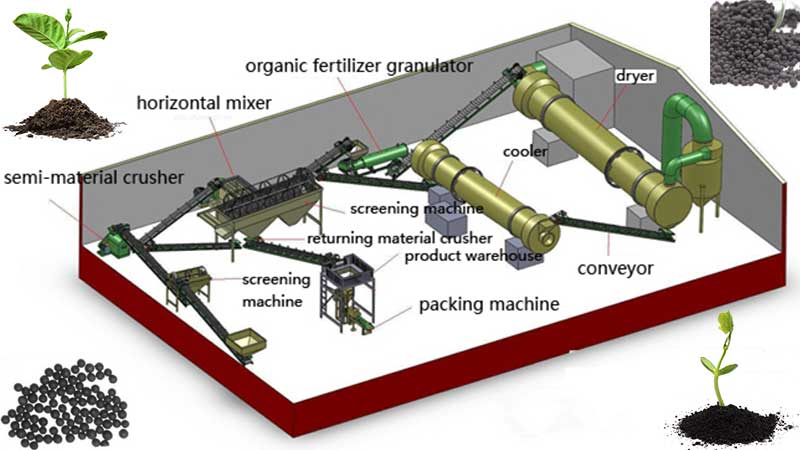
Advanced Tip: Creating Commercial-Quality Goat Manure Fertilizer
If you’re serious about large-scale gardening or small farming, you might want to process goat manure into uniform fertilizer pellets.
Here’s the basic process (I’ve visited facilities doing this in 2025):
- Compost thoroughly (as above)
- Crush into fine powder using a compost crusher
- Pelletize using an organic fertilizer granulator (adding minimal water)
- Dry and cool the pellets 5. Package for storage or sale
The pellets are easier to spread, store longer, and release nutrients more evenly.
But for most home gardeners, simple composted manure is perfect.
Goat Manure for Specific Crops (What Works Best)
Not all plants respond the same way. Here’s what I’ve observed:
Leafy Greens (Lettuce, Kale, Spinach)
Goat manure is fantastic. The high nitrogen promotes lush, rapid leaf growth.
Apply compost as a top dressing every 4–6 weeks during growing season.
Fruit-Bearing Plants (Tomatoes, Peppers, Squash)
These need more phosphorus and potassium for fruit production.
Goat manure has decent amounts, but I often supplement with a bit of bone meal or kelp meal for heavier fruiting.
Root Vegetables (Carrots, Beets, Potatoes)
Remember: always use fully composted manure here.
The improved soil structure from goat manure helps roots grow straight and deep.
Fruit Trees and Berry Bushes
Apply well-composted goat manure as a mulch around the drip line each spring. It feeds the tree slowly and improves soil moisture retention.
Common Goat Manure Mistakes (And How to Avoid Them)
I’ve made my share of manure mistakes. Learn from them:
Mistake #1: Using It Fresh on Young Plants
Even “cool” manure can harm seedlings. Always compost first for anything you’ve already planted.
Mistake #2: Over-Applying
More ≠ better. A 1–2 inch layer of composted manure mixed into soil is plenty. Thicker layers can create nutrient imbalances.
Mistake #3: Ignoring Soil Tests
Goat manure is great, but it might not provide everything your soil needs. Test your soil every 2–3 years. You might need to supplement with specific minerals.
Mistake #4: Storing It Wrong
Keep dry manure in a covered, well-ventilated area. Don’t let it get rained on and turn into a soggy mess.
Final Verdict
Let’s circle back to your original question:
Is goat manure good fertilizer?
In my professional opinion: absolutely.
It’s nutrient-dense, easy to handle, low-odor, and improves soil structure. Whether you’re growing vegetables, flowers, or fruit trees, properly composted goat manure can significantly boost your garden’s health and productivity.
But remember:
- Always compost it first (3–6 months)
- Mix with carbon sources for balanced decomposition
- Use appropriate amounts for your plants
- Supplement based on soil test results
The gardeners who get the best results don’t just follow steps—they understand why each step matters. Goat manure isn’t just waste; it’s transformed plant energy. When you return it to the soil, you’re completing a natural cycle that’s been working for millennia.
Your plants will thank you. Your soil will thrive. And you’ll have one of the most productive gardens on the block.
Now, if you’ll excuse me, I have some goat manure tea to stir.


 English
  Spanish
  French
  Russian
  German
  Italian
  Turkish