
Ever wondered if that pile of cow manure could transform your garden into a thriving paradise?
Is cow manure a good fertilizer? The short answer: absolutely. In fact, it’s one of the most effective natural fertilizers you can use.
But here’s the thing:
Using cow manure the wrong way can damage your plants (or worse).
That’s why I put together this complete guide. In this post, as a professional cow manure organic fertilizer production line manufacturer, I’ll show you exactly how to use cow manure to boost your garden’s growth — without the risks.
Let’s dive in.
Quick Summary
- Cow manure is an effective organic fertilizer (≈3-2-1 NPK) that improves soil, saves money and raises yields.
- Fresh manure carries high risks: pathogens, herbicide contamination and weed seeds; compost for ≥120 days (or hot compost >140°F) to reduce those risks.
- Typical application: ~40 lbs composted manure per 100 sq ft; incorporate into top 6–8 inches for new beds, side-dress established plants, and follow USDA pre-harvest intervals (120 days ground crops, 90 days above-ground).
- Source herbicide-free manure, test soil first, start small and monitor results.
Is Cow Manure a Good Fertilizer
Yes, cow manure is an excellent all-purpose fertilizer with 3-2-1 NPK ratio that improves soil structure and costs 70% less than chemical alternatives. However, fresh manure poses risks including pathogens, herbicide contamination, and weed seeds.
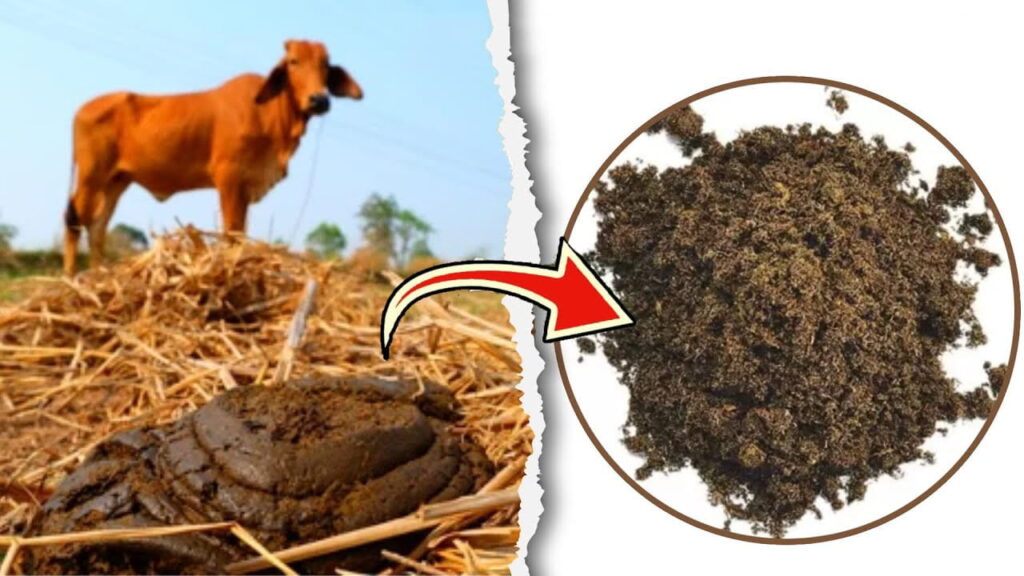
Why Cow Manure Works So Well (The Science)
Cow manure isn’t just “waste.” It’s actually a nutrient powerhouse.
Here’s what makes it special:
The NPK ratio typically sits around 3-2-1. That’s 3% nitrogen, 2% phosphorus, and 1% potassium.
(Compare that to chicken manure at 5-3-2, which can easily burn your plants.)
But NPK is just the beginning.
Cow manure also contains:
- Calcium
- Magnesium
- Sulfur
- Essential micronutrients
- Organic matter (up to 30%)
The real magic? It improves soil structure.
Sandy soil suddenly holds water better. Clay soil becomes easier to work with. And beneficial microbes? They multiply like crazy.
Pro Tip: Fresh cow manure contains about 80-90% water. That’s why composted manure is easier to handle (and transport).
The Dark Side of Cow Manure (What Nobody Talks About)
Let me be straight with you:
Cow manure can be dangerous if used incorrectly.
Here are the risks:
1. Pathogen Problems
Fresh manure can contain E. coli and Salmonella.
The solution? Always compost manure for at least 120 days before using on food crops.
2. The Herbicide Horror
This one catches gardeners off guard.
Some cattle eat hay treated with persistent herbicides. These chemicals pass through the cow and can destroy your tomatoes, beans, and other sensitive plants.
Always ask your manure source: “Was the hay treated with any herbicides?”
(I’ve seen gardens ruined for 10+ years from contaminated manure.)
3. Weed Seed Invasion
Unlike chicken manure, cow manure often contains viable weed seeds.
Why? Cows have less efficient digestion. Seeds pass right through.
Hot composting (above 140°F) kills most seeds. But if you’re using fresh manure? Expect some unwanted visitors.
Fresh vs. Composted: Which Should You Choose?
This is where most gardeners mess up.
Let me break it down:
Fresh Manure
- Nitrogen content: Higher (but mostly as ammonia)
- Application timing: Fall only (4+ months before harvest)
- Risk level: High
- Best for: Large-scale field preparation
Composted Manure
- Nitrogen content: Lower (but more stable)
- Application timing: Anytime
- Risk level: Low
- Best for: Home gardens and immediate use
The bottom line?
For 99% of gardeners, composted manure is the way to go.
How to Use Cow Manure Like a Pro
Ready to supercharge your garden? Here’s my step-by-step system:
Step 1: Calculate Your Needs
Most gardens need about 40 pounds of composted manure per 100 square feet.
Quick math:
- 10×10 garden = 40 lbs
- 20×20 garden = 160 lbs
(A 5-gallon bucket holds about 25 lbs of manure.)
Step 2: Source Quality Manure
Your options:
- Garden centers: Convenient but pricey
- Local farms: Often free but requires transport
- Your own animals: Ultimate control over quality
Pro tip: Dairy farms often have better quality manure than beef operations.
Step 3: Apply Correctly
Here’s where technique matters:
- For new beds: Till manure into the top 6-8 inches
- For established plants: Side-dress 3-4 inches from stems
- For trees: Spread under the canopy (but not against the trunk)
Timing is everything:
- Spring application: Wait 1 month before planting
- Fall application: Perfect for next year’s garden
The Organic Advantage (Why Certification Matters)
Here’s something interesting:
Cow manure from conventional farms can be used in certified organic production.
But there’s a catch.
The USDA requires:
- 120 days between application and harvest (for ground crops)
- 90 days for above-ground crops
This makes cow manure perfect for organic farmers looking for affordable fertility.
Advanced Techniques That Actually Work
Want to level up your manure game? Try these pro strategies:
1. Manure Tea
It’s like instant nutrition for plants.
Recipe:
- Fill bucket 1/3 with aged manure
- Add water to top
- Steep for 24-48 hours
- Strain and dilute 1:10
- Apply to plant bases
(Great for heavy feeders like tomatoes and peppers.)
2. The Lasagna Method
Layer manure with other organic materials:
- Brown layer (leaves, straw)
- Green layer (manure)
- Repeat 3-4 times
This creates incredible soil in just one season.
3. Biochar Enhancement
Mix biochar with manure before application.
The result? Nutrients stay in your soil longer. Plus, you’re sequestering carbon.
Real Results From Real Gardens
Let me share some data that’ll blow your mind.
A University of Minnesota study found:
- 68% increase in tomato yields with manure vs. chemical fertilizer
- 45% improvement in soil water retention
- 3x more beneficial microbes after one season
But here’s my favorite example:
My neighbor switched from chemical fertilizers to cow manure in 2023. His results?
- Water bill dropped 30%
- Zero fertilizer costs
- Best tomato harvest in 15 years
(He now swears by the stuff.)
The Economics: Does It Pencil Out?
Let’s talk money.
Chemical fertilizer costs (per 100 sq ft):
- Initial application: $8-12
- Season total: $20-30
Cow manure costs (per 100 sq ft):
- Bagged: $5-8
- Bulk/farm source: $0-2
- Season total: $5-8
You’re looking at 70% savings. Plus, the benefits compound over time.
Special Considerations for Different Plants
Not all plants love manure equally.
Heavy Feeders (Love It)
- Tomatoes
- Corn
- Squash
- Cabbage family
Moderate Users (Like It)
- Peppers
- Lettuce
- Herbs
Light Feeders (Use Sparingly)
- Beans
- Peas
- Root vegetables
- Native plants
Pro tip: Legumes fix their own nitrogen. Too much manure actually reduces their productivity.
The Environmental Angle
Here’s something most articles miss:
Using cow manure is climate-smart gardening.
Consider this:
- Reduces methane emissions (vs. manure left in fields)
- Sequesters carbon in soil
- Eliminates synthetic fertilizer production
- Improves water retention (less irrigation)
You’re literally fighting climate change with every application.
Future Trends in Manure Management
The manure world is evolving fast.
What’s coming:
- Pelletized products: Easier transport, precise application
- Enhanced formulations: Biochar + manure combos
- Precision testing: Know exact nutrient content
- Digestate fertilizers: From anaerobic digesters
By 2030, expect manure products that rival synthetic fertilizers in convenience.
Your Action Plan
Ready to get started? Here’s your roadmap:
- Test your soil (know your baseline)
- Source quality manure (ask about herbicides!)
- Start small (try one bed first)
- Apply correctly (follow timing guidelines)
- Monitor results (keep notes)
- Adjust next season (more or less based on performance)
The Bottom Line
Is cow manure a good fertilizer? Without question, yes.
It builds soil health, saves money, and produces amazing results — when used correctly.
The key is understanding both its power and its limitations.
Start with composted manure. Follow safety guidelines. And watch your garden transform.
Your plants (and wallet) will thank you.


 English
  Spanish
  French
  Russian
  German
  Italian
  Turkish