
Is Dog Manure Good Fertilizer
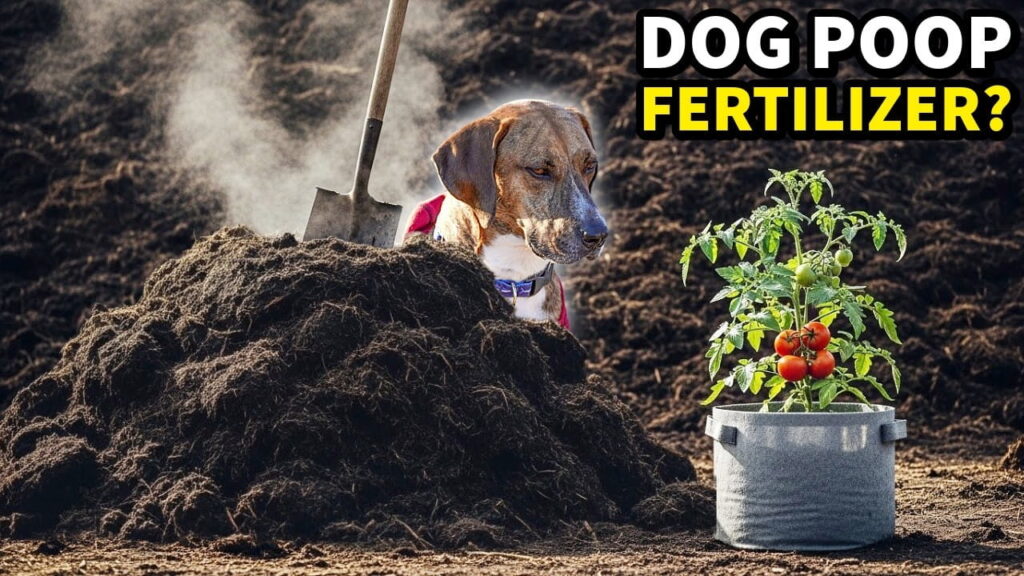
Quick answer: No, raw dog manure is not a safe or effective fertilizer. It tends to be highly acidic (pH 4–6), extremely high in nitrogen, and commonly loaded with pathogens that pose health risks to people, pets, and waterways.
If you’re scooping Fido’s poop and hoping it’ll transform your tomato plants into prize-winners, you might be setting your garden—and health—up for disaster. I’ve seen well-meaning gardeners try this. Heck, I even experimented with backyard composting early on (more on that disaster later). But here’s the deal: dog manure is not cow manure. It’s not even close.
Sound dramatic? Stick with me. In the next words, as a professional fertilizer production line manufacturer, I’ll break down why dog poop torches your plants, hides dangerous pathogens, and contaminates water—plus, the one high-risk way experts say you might repurpose it (if you’re stubborn).
Why Raw Dog Manure Is a Garden’s Worst Nightmare
Here’s the shocker: Dog waste isn’t fertilizer—it’s biohazard waste. The EPA classifies it alongside oil spills and chemical runoff. Yep. That bad.
Let me explain why. Dogs eat meat-heavy diets packed with protein. That creates waste that’s:
- Highly acidic (pH 4-6, vs. plant-friendly 6-8).
- Pathogen city. A single gram contains up to 23 million fecal coliform bacteria (PetMD data).
- Nitrogen overload. Great in tiny doses; toxic in pure poop form.
Pro Tip: Nitrogen scorch isn’t mythical. University research shows unchecked nitrogen “burns” roots like bleach on grass.
Dog Poop vs. Cow Manure: Why One Works, the Other Doesn’t
Farmers swear by cow manure for a reason. Cows eat grass, grains, and plants. Dogs? Meat, kibble, and leftover pizza crusts. The difference is everything.
| Cow/Horse Manure | Dog Manure |
|---|---|
| Plant-based diet 🌱 | Meat-heavy diet 🥩 |
| Low pathogens (safe after composting) | High bacteria/parasites (E. coli, Salmonella) |
| Breaks down fast | Slow decomposition (9+ weeks) |
| Mild odor | Pungent, ammonia-heavy stench |
| Balanced NPK (nitrogen, phosphorus, potassium) | Off-the-charts nitrogen |
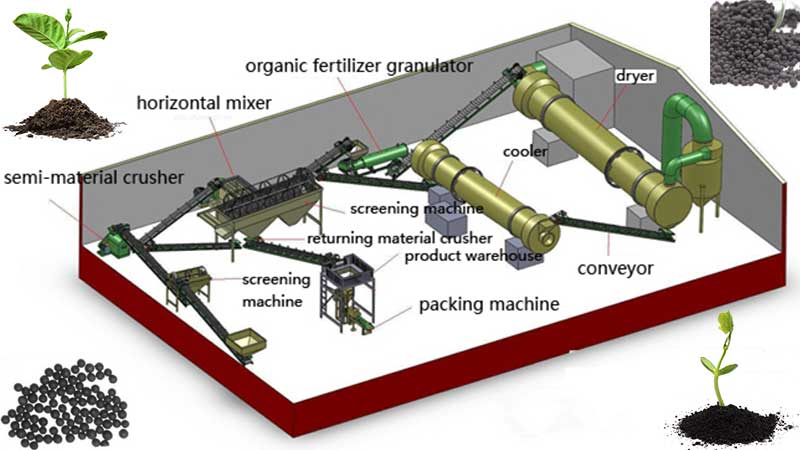
But here’s the thing: Even chicken manure—another “hot” fertilizer—is safer when professionally processed through a chicken manure fertilizer production line, making it far more suitable for agricultural use. Chickens are herbivores. Dogs? They’re opportunistic carnivores carrying parasites like roundworms that survive for years in soil (University of Florida IFAS Extension).
Health Dangers You Can’t Afford to Ignore
Imagine your kid digging in soil “fertilized” by dog waste. Or your pup sniffing contaminated dirt.
Nasty stuff hides there:
1. Roundworms & hookworms: Larvae burrow into skin or guts.
2. Giardia: Causes violent stomach cramps and diarrhea.
3. Parvovirus: Lives in soil for months.
4. E. coli: 23% of infections trace to pet waste (CDC).
Worse? Rain washes poop bacteria into storm drains → rivers → your tap water. Project Clean Water found pet waste spikes fecal counts in 20% of U.S. watersheds.
Pro Tip: I use enzymatic cleaners (like Nature’s Miracle) on accident zones. Breaks down proteins and kills odor fast.
Composting Dog Poop: The Risky (But Possible) Path
Can you compost it? Technically, yes. But it’s like handling radioactive waste—you need armor.
1. Dedicate a composter: Never mix with veggie scraps or regular compost (Poo Squad). Cross-contamination is real.
2. Target 160°F (71°C): Pathogens die at sustained high heat.
3. Carbon layers: Sawdust or dry leaves balance nitrogen. 2:1 ratio (carbon: poop).
4. Wait 6-12 months: Speed = danger. Low-temp composting breeds superbugs.
5. Use ONLY on non-edibles: Roses? Maybe. Tomatoes? Never.
My experience? I tried a DIY bin. Failed. Temperatures yo-yoed, and the smell… whew. Unless you’re a composting ninja, trash disposal wins.
Smart Disposal: The Only Safe Strategy
Scoop. Bag. Trash. That’s the EPA’s gold standard. Here’s how to ace it:
1. Bag it right: Use compostable bags (I like Pogi’s plant-based ones).
2. Seal tight: Prevents flies and stench.
3. Trash bin, not compost: Dog waste belongs in landfills.
4. Clean tools: Spray shovels with 10% bleach solution monthly.
Why it works: A study found consistent waste removal cuts lawn parasite loads by 75%.
Fertilizer Alternatives That Actually Work
Skip the dung drama. Safer soil-builders include:
- Cow/horse manure: Composted for 120+ days. For larger-scale use, a cow manure fertilizer production line helps stabilize nutrients and improve safety before field application.
- Worm castings: Gentle, nutrient-dense, odorless.
- Compost tea: Brew it yourself in 24 hours.
- Commercial organic fertilizers: Dr. Earth or Down to Earth brands.
Pro Tip: Test your soil first. Nitrogen burns are brutal. In ’26, I upgraded to a Luster Leaf test kit. Game changer!
Bottom Line? Skip the Free “Fertilizer”
So, circle back to our burning question: Is dog manure good fertilizer? Raw? Zero percent. Composted? Only with lab-grade precision—and even then, not near edibles.
The bottom line: Dog poop belongs in biodegradable bags, not your garden beds. The minimal nutrient payoff? Not worth ER visits or dead cucumbers.
Be smart. Your pet—and your parsley patch—will thank you.


 English
  Spanish
  French
  Russian
  German
  Italian
  Turkish